Login
Login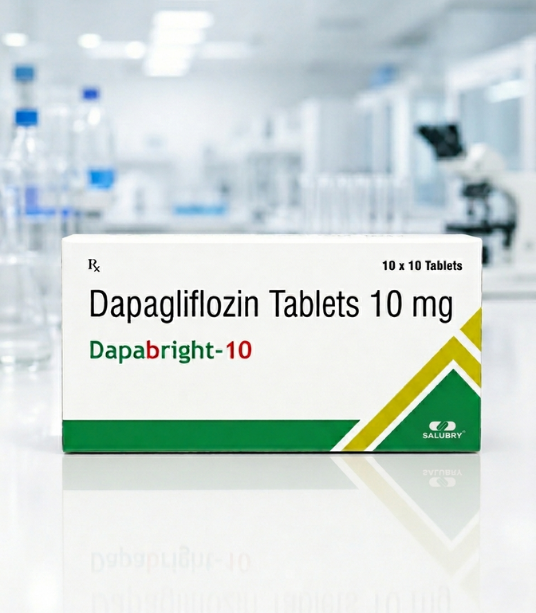
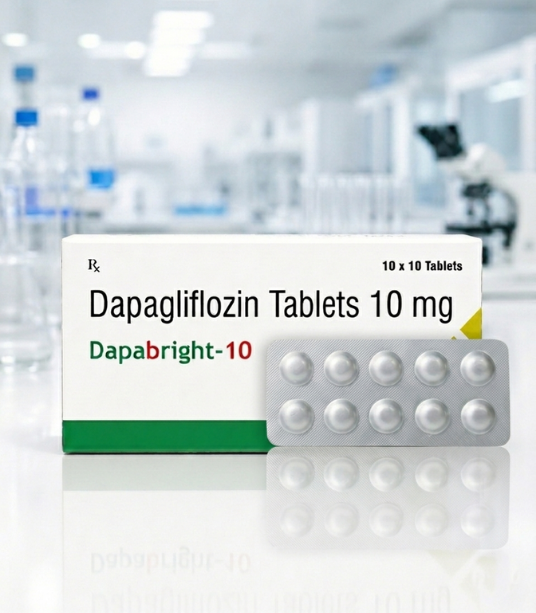
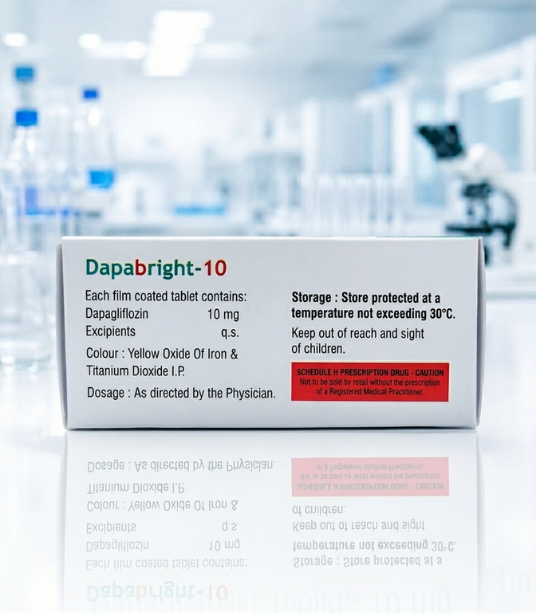



Dapabright 10
DAPABRIGHT 10 (Dapagliflozin 10 mg ) is a highly effective, modern oral antidiabetic medication used primarily to manage Type 2 Diabetes Mellitus. It belongs to a revolutionary class of drugs known as SGLT2 inhibitors (Sodium-Glucose Co-transporter 2 inhibitors), often referred to as “Gliflozins.”
Unlike older diabetes medications that work on the pancreas or liver, Dapagliflozin works almost exclusively through the kidneys.
1. Mechanism of Action: The “Sugar Flush”
In a healthy body, the kidneys filter sugar out of the blood and then reabsorb it back into the bloodstream so energy isn’t wasted. A protein called SGLT2 is responsible for 90% of this reabsorption.
- The Blockade: Dapagliflozin 10 mg blocks the SGLT2 protein.
- The Result: Instead of sugar being put back into your blood, it remains in the urine.
- The Exit: The excess sugar is literally flushed out of the body every time you urinate.
- Glucose Lowering: By removing approximately 70 grams of glucose per day via urine, blood sugar levels drop significantly.
2. Beyond Diabetes: The “Triple Benefit”
Dapagliflozin 10 mg has become famous in the medical world because its benefits extend far beyond just lowering blood sugar:
- Weight Loss: Because you are flushing out sugar (which is essentially calories), most patients lose a modest amount of weight (usually 2–3 kg) over the first few months.
- Heart Protection: It is FDA-approved to reduce the risk of hospitalization for Heart Failure. It helps the heart pump more efficiently and reduces fluid overload.
- Kidney Protection (CKD): It is used to slow the progression of Chronic Kidney Disease, protecting the delicate filters in the kidneys from long-term damage.
- Blood Pressure: It has a mild diuretic effect (makes you urinate more), which often leads to a slight, beneficial decrease in blood pressure.
3. Dosage and Administration
- Timing: It is usually taken once daily, in the morning. It can be taken with or without food.
- Hydration: Because the drug works by moving sugar through the urine, it is vital to drink plenty of water throughout the day to prevent dehydration.
- Consistency: It should be taken at the same time every day to maintain a steady effect on the kidneys.
4. Potential Side Effects
Since the medication puts sugar into the urinary tract, most side effects are related to that environment:
- Genital Yeast Infections: Fungi (yeast) feed on sugar. Increased sugar in the urine can lead to infections (thrush) in both men and women.
- Urinary Tract Infections (UTIs): High sugar levels in the urine can occasionally encourage bacterial growth.
- Increased Urination: You may notice you need to go to the bathroom more frequently, especially during the first few weeks.
- Dehydration/Dizziness: If you don’t drink enough water, you may feel lightheaded when standing up quickly.
5. Serious Warnings
- Fournier’s Gangrene: A very rare but extremely serious bacterial infection of the genital area. Seek immediate help for pain, redness, or swelling in the genital region accompanied by fever.
- Euglycemic Ketoacidosis: This is a rare condition where the blood becomes too acidic, but the blood sugar levels remain nearly normal. Symptoms include nausea, vomiting, stomach pain, and confusion.
- Diabetic Foot/Amputation: Patients with existing foot ulcers or severe peripheral vascular disease should be monitored closely, as some studies in the SGLT2 class suggested a risk of foot complications (though this is less commonly associated with Dapagliflozin specifically).
6. Important Precautions
- Kidney Function: While it protects the kidneys, it requires a certain level of kidney function to work effectively. Doctors will check your eGFR (Estimated Glomerular Filtration Rate) before prescribing.
- Surgery/Illness: If you are scheduled for surgery or become severely ill (unable to eat or drink), you should talk to your doctor about pausing the medication to avoid the risk of ketoacidosis.
- Low Carbohydrate Diets: Use caution if you are on a “Keto” or very low-carb diet, as this can increase the risk of ketoacidosis when combined with SGLT2 inhibitors.