Login
Login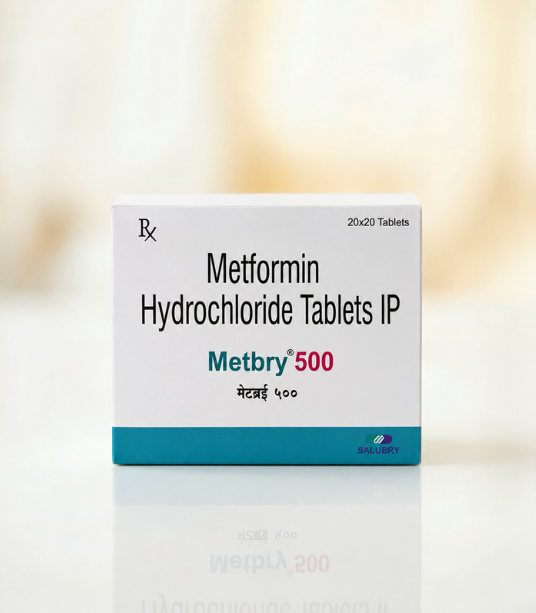

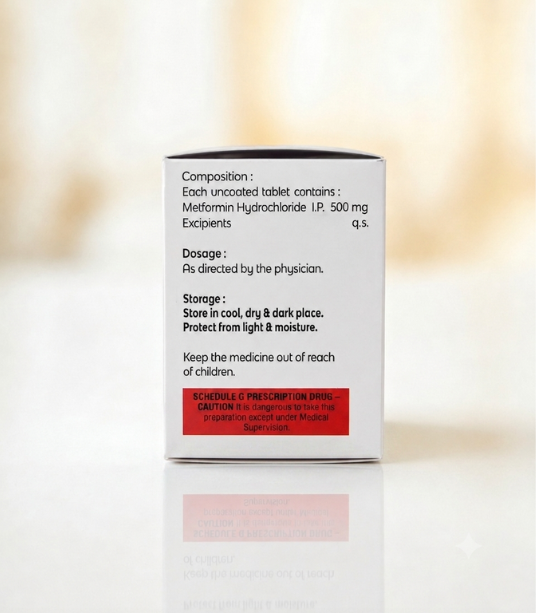
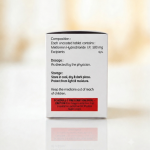

Metbry 500
METBRY 500 ( Metformin 500 mg ) is widely considered the “gold standard” and first-line medication for the treatment of Type 2 Diabetes Mellitus. It belongs to the biguanide class of drugs. Unlike many other diabetes medications, it does not force the pancreas to produce more insulin; instead, it focuses on making the insulin you already have work more efficiently.
Because of its long safety record and additional health benefits, it is often the very first drug a doctor prescribes after a diabetes diagnosis.
1. Mechanism of Action (How It Works)
Metformin targets blood sugar through three primary “modes of attack”:
- Liver (Gluconeogenesis): Its most significant effect is in the liver. Normally, the liver produces glucose to keep your body fueled. In Type 2 diabetes, the liver often pumps out way too much sugar. Metformin tells the liver to “slow down,” reducing the amount of sugar released into your bloodstream.
- Muscles (Insulin Sensitivity): Metformin increases the sensitivity of your muscle cells to insulin. It essentially “unlocks the doors” of your cells, allowing them to absorb glucose from the blood and use it for energy more effectively.
- Intestines: It slightly delays the absorption of sugar from the food you eat as it passes through your digestive tract.
2. Clinical “Side Benefits”
Metformin is unique because it offers advantages beyond just lowering blood sugar:
- Weight Neutrality: Unlike insulin or sulfonylureas, Metformin does not cause weight gain. Many patients actually experience modest weight loss.
- Cardiovascular Protection: Long-term studies suggest Metformin may reduce the risk of heart-related complications in diabetic patients.
- Lipid Profile Improvement: It can have a mild, positive effect on lowering LDL (“bad”) cholesterol and triglycerides.
3. Formulations: Standard vs. Extended Release (ER/SR)
The 500 mg dose comes in two distinct versions:
- Immediate Release (IR): This version releases the medication quickly. It is often taken twice a day. While effective, it is more likely to cause stomach upset.
- Extended/Sustained Release (ER/SR/XR): This version dissolves slowly over 12–24 hours. It is usually taken once daily with the evening meal. It was designed specifically to reduce gastrointestinal side effects.
4. Administration Guidelines
- The “With Food” Rule: Metformin should always be taken with a meal. Taking it on an empty stomach significantly increases the risk of nausea, cramping, and diarrhea.
- The “Start Low, Go Slow” Method: Doctors often start patients on a single 500 mg dose and gradually increase it over weeks to allow the digestive system to adapt.
- Hydration: Maintaining good hydration helps the kidneys clear the medication efficiently.
5. Common Side Effects (The “GI Phase”)
Most people experience side effects in the first 1–2 weeks, which usually disappear as the body adjusts:
- Gastrointestinal Distress: Diarrhea, nausea, stomach pain, and bloating are common.
- Metallic Taste: Some users report a temporary, strange metallic taste in the mouth.
- Loss of Appetite: This is often why some patients lose a small amount of weight.
6. Long-Term Considerations
- Vitamin B12 Deficiency: Long-term use of Metformin (years) can interfere with the absorption of Vitamin B12. Doctors may periodically check B12 levels or suggest a supplement to prevent anemia or nerve numbness.
- Kidney Function: Metformin is not processed by the liver; it is excreted unchanged by the kidneys. If kidney function drops below a certain level (eGFR < 30), the drug must be stopped to avoid accumulation.
7. Serious Warning: Lactic Acidosis
While extremely rare (affecting roughly 1 in 30,000 patients), Lactic Acidosis is a life-threatening build-up of lactic acid in the blood.
- Risk Factors: Severe kidney disease, excessive alcohol consumption, or severe dehydration.
- Symptoms: Extreme tiredness, unusual muscle pain, trouble breathing, and feeling very cold.
- Protocol: Patients must stop Metformin 48 hours before any surgery or imaging scan involving “contrast dye” to protect the kidneys from temporary stress.