Login
Login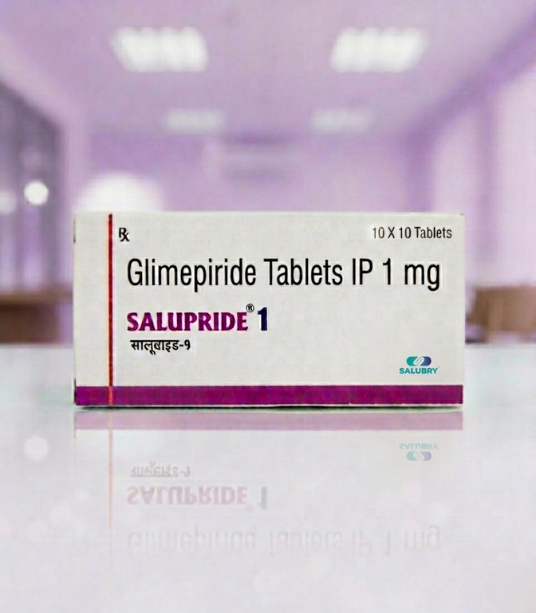
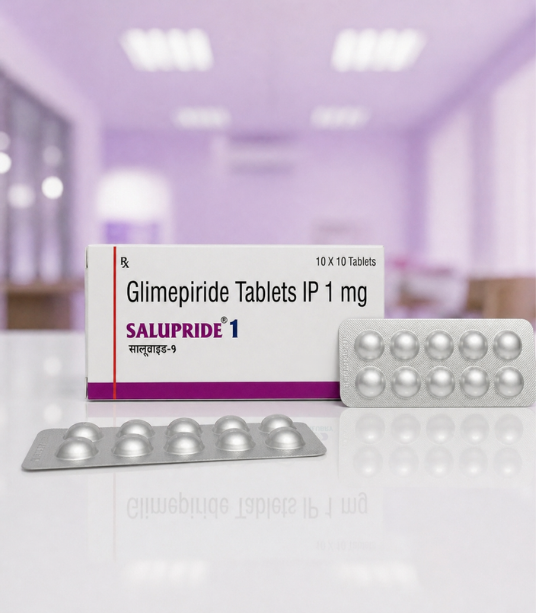
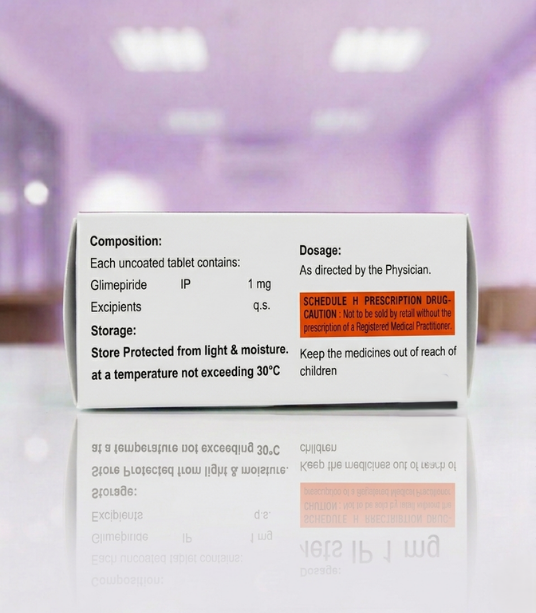



SALUPRIDE 1
SALUPRIDE 1 (Glimepiride 1mg) is an oral blood-glucose-lowering drug belonging to the sulfonylurea class. It is primarily used to manage type 2 diabetes mellitus by helping the pancreas produce more insulin.
1. Mechanism of Action
Glimepiride works by stimulating the $\beta$-cells (beta cells) in the pancreas. It binds to specific receptors on the surface of these cells, causing a series of chemical reactions that lead to the release of stored insulin.
- Insulin Secretagogue: It is classified as a “secretagogue” because its main job is to trigger secretion.
- Secondary Effects:It may also improve “insulin sensitivity” in peripheral tissues (like muscles), though its primary power lies in the pancreas.
2. Key Indications & Usage
- Condition: Specifically for Type 2 Diabetes. It is ineffective for Type 1 Diabetes because Type 1 patients do not have functioning beta cells to stimulate.
- Dosage: The 1mg tablet is typically the “starting dose.” Doctors often begin here to see how the body reacts before gradually increasing the dosage if necessary.
- Administration: It is usually taken once a day with breakfast or the first main meal of the day.
3. Potential Side Effects
The most significant risk with Glimepiride is hypoglycemia (low blood sugar). Because the drug forces the body to release insulin regardless of the current glucose level, skipping a meal after taking it can cause blood sugar to drop dangerously low.
4. Critical Precautions
- Alcohol Consumption: Consuming alcohol while on Glimepiride can increase the risk of a “disulfiram-like reaction” (flushing, rapid heartbeat) and significantly worsens the risk of low blood sugar.
- Sulfa Allergy: Since Glimepiride is a sulfonylurea, individuals with a known allergy to “sulfa drugs” should use it with extreme caution.
- Kidney/Liver Function: Dosage must be carefully monitored in patients with renal or hepatic impairment, as the drug is metabolized and excreted through these pathways.
5. Typical Pharmacokinetics
- Onset: Significant insulin release occurs within 2 to 3 hours.
- Duration: The effects typically last for 24 hours, which is why it is dosed once daily.
- Metabolism: It is completely metabolized by the liver, primarily via the enzyme CYP2C9.
Note: This information is for educational purposes. Always consult a healthcare professional before starting or changing any medication regimen.