Login
Login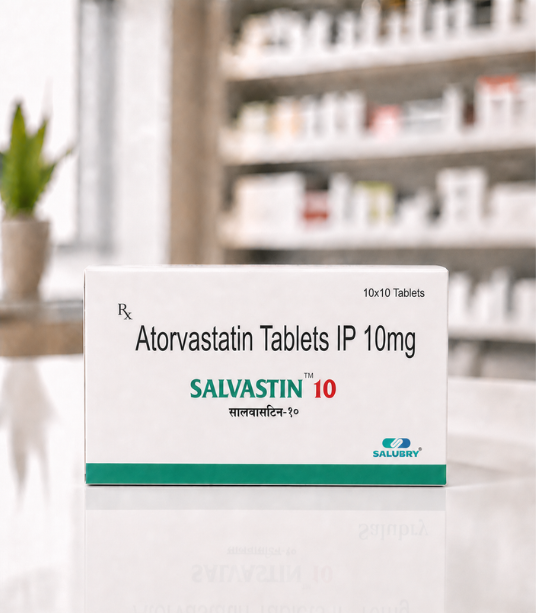
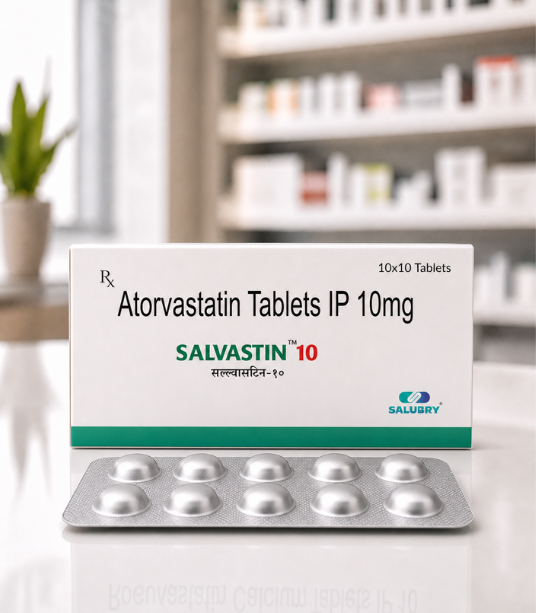
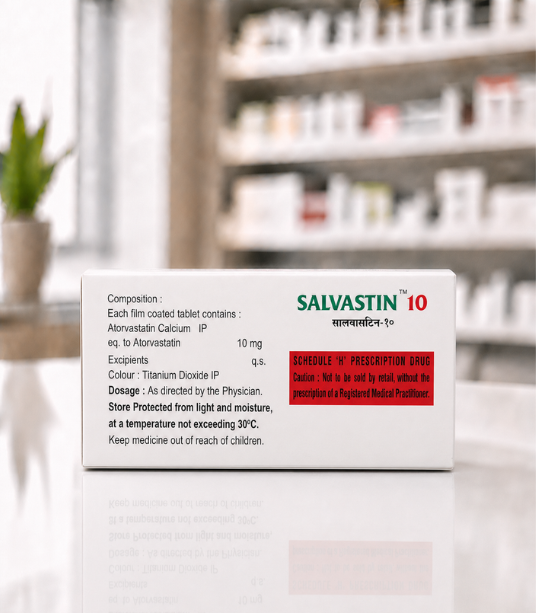
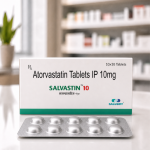
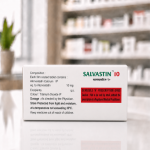

Salvastin 10
SALVASTIN 10 (Atorvastatin 10mg) is one of the most clinically researched and widely prescribed “statins” (HMG-CoA reductase inhibitors) in the world. It is a synthetic, lipid-lowering agent used to reduce the risk of heart attack, stroke, and other cardiovascular complications.
The 10mg strength is the standard adult starting dose for “Moderate-Intensity” statin therapy. Unlike older statins that were derived from fungi, Atorvastatin is completely synthetic and lipophilic (fat-soluble), allowing it to penetrate cell membranes effectively.
1. Molecular Mechanism: The “Assembly Line” Blockade
Atorvastatin targets the liver’s internal cholesterol factory through a highly specific biological process:
- Enzyme Competitive Inhibition: It binds to the HMG-CoA reductase enzyme. This enzyme is the “rate-limiting” step in the mevalonate pathway—essentially the “on switch” for cholesterol production in the liver.
- The Survival Response: When the liver senses it can no longer produce its own cholesterol, it panics and tries to “scavenge” cholesterol from the blood. It does this by increasing the number of LDL receptors on the surface of liver cells.
- Systemic Clearance: These receptors pull LDL (“bad” cholesterol) and VLDL (Very-Low-Density Lipoproteins) out of the bloodstream.
- Triglyceride Impact: Unlike some other statins, Atorvastatin is particularly effective at lowering triglycerides by reducing the liver’s production of VLDL.
2. Clinical Profile & Efficacy
Even at the 10mg dose, Atorvastatin is considered a powerful tool for cardiovascular health:
- Lipid Reduction: A 10mg dose typically lowers LDL cholesterol by approx. 35% to 39%..
- Pleiotropic Effects: Atorvastatin is famous for benefits beyond just “numbers.” It reduces arterial inflammation, stabilizes existing plaques (preventing them from rupturing), and improves the “slipperiness” (endothelial function) of the blood vessel lining.
- Primary Prevention: It is often the first choice for patients who do not yet have heart disease but have high-risk factors like diabetes or smoking.
3. Potential Side Effects
While 10mg is a relatively low dose and generally well-tolerated, some patients may experience:
- Gastrointestinal Issues: Diarrhea, upset stomach, or flatulence.
- Muscle Aches (Myalgia): Mild muscle pain or weakness is the most common reason patients stop taking statins.
- Joint Pain: Specifically in the arms or legs.
- Liver Enzyme Spikes: Occasionally, it can cause a rise in liver enzymes (ALT/AST). Doctors monitor this with periodic blood tests.
- Blood Sugar Elevation: It may slightly increase fasting blood sugar or HbA1c levels in some patients.
4. Critical Precautions & Interactions
- The “Grapefruit Rule”: Grapefruit juice contains compounds that block the CYP3A4 enzyme. This can lead to a dangerous buildup of Atorvastatin 10mg in the blood, increasing the risk of muscle damage.
- Drug Interactions: Because it uses the CYP3A4 pathway, it interacts with certain antibiotics (Clarithromycin), antifungals, and some HIV/Hepatitis C medications.
- Pregnancy: Atorvastatin is strictly contraindicated during pregnancy and breastfeeding. It is essential for a developing fetus to have access to cholesterol.
- Muscle Toxicity: Though rare at 10mg, seek medical help for unexplained, severe muscle pain accompanied by dark (tea-colored) urine, which can indicate rhabdomyolysis.
5. Administration Summary
- Flexible Timing: Unlike older statins (like Simvastatin), which must be taken at night, Atorvastatin 10mg can be taken at any time of day, with or without food, thanks to its long-lasting active metabolites..
- Consistency: Take it at the same time every day to maintain a steady level in the blood.
- Monitoring: Effectiveness is usually checked 4 to 12 weeks after the first dose via a lipid panel blood test.
Medical Disclaimer: This description is for educational purposes. Atorvastatin 10mg is a prescription medication that requires medical supervision. Always consult your doctor before making changes to your cardiovascular treatment plan.