Login
Login
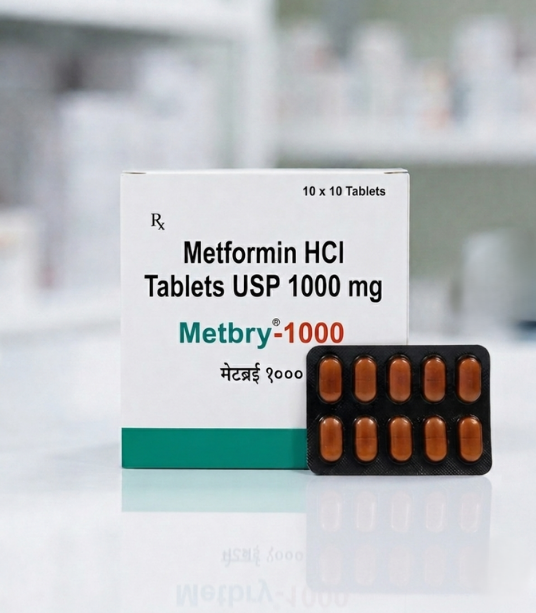
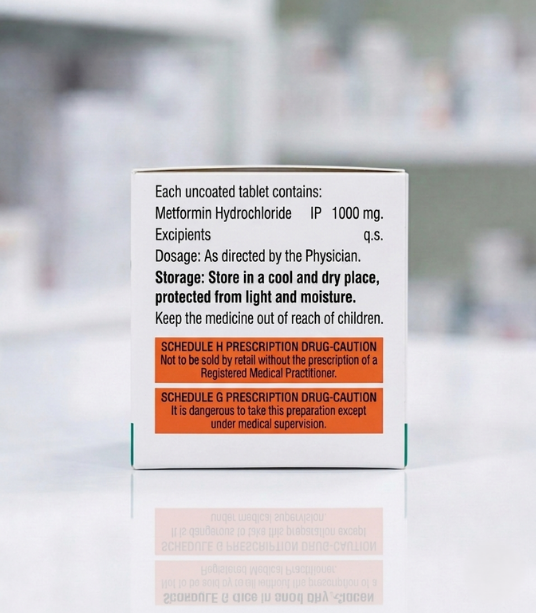
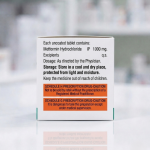

Metbry 1000
METBRY 1000 (Metformin 1000 mg ) is a high-strength dose of the most widely prescribed oral medication for Type 2 Diabetes Mellitus. It is a Biguanide that serves as the foundation of most glucose-management strategies.
When a patient is prescribed the 1000 mg strength, it usually indicates that their body requires a more robust intervention to overcome insulin resistance or that they are moving toward the maximum effective daily dose (usually 2000 mg to 2550 mg).
1. Mechanism of Action: The Triple-Action Defense
Metformin does not “add” more insulin to your body; instead, it makes the insulin you already have work significantly better. It targets three specific areas:
- The Liver (Main Target): In Type 2 diabetes, the liver often incorrectly perceives that the body is “starving” and pumps out extra glucose. Metformin 1000 mg acts as a powerful “off switch” for this process (gluconeogenesis), drastically lowering fasting blood sugar levels.
- The Muscles: It increases the sensitivity of insulin receptors in your muscle tissue. This allows your cells to efficiently “grab” sugar out of the bloodstream to use for energy.
- The Intestines: it slightly delays the absorption of sugar from the food you eat, preventing sharp spikes in glucose immediately after a meal.
2. Formulations: IR vs. ER/SR
At the 1000 mg level, the formulation (how the pill releases) is extremely important:
- Immediate Release (IR):This tablet releases the full 1000 mg dose into the digestive tract quickly. Because this is a high dose, the IR version is more likely to cause significant stomach upset.
- Extended/Sustained Release (ER/SR): This version uses a specialized “osmotic” or “matrix” system to release the 1000 mg slowly over 24 hours. This is much gentler on the stomach and is usually taken once a day with the evening meal.
3. Why the 1000 mg Strength?
- Dose Consolidation: For patients previously taking two 500 mg tablets, moving to a single 1000 mg tablet simplifies the routine and improves compliance.
- Therapeutic Effectiveness: 1000 mg is often the “working dose” where many patients begin to see significant drops in their HbA1c (3-month average sugar level).
- PCOS Management: Beyond diabetes, this strength is frequently used to treat Polycystic Ovary Syndrome (PCOS) to help regulate ovulation and manage insulin-related weight gain.
4. Side Effects: Managing the “GI Phase”
Because 1000 mg is a substantial dose, side effects are more common than at lower doses, particularly if the body isn’t given time to adjust:
- Gastrointestinal Distress: Nausea, diarrhea, gas, and abdominal cramping are common.
- The “With Food” Mandate: To minimize these effects, Metformin 1000 mg must be taken with a substantial meal. Taking this dose on an empty stomach is the leading cause of medication intolerance.
- Metallic Taste: Some patients report a temporary metallic taste in the mouth.
5. Long-Term Health Considerations
- Vitamin B12 Malabsorption: High-dose, long-term Metformin use can lead to B12 deficiency, which can cause fatigue or “pins and needles” sensations (neuropathy). Annual blood tests are recommended.
- Weight Neutrality: One of the greatest benefits of Metformin is that it does not cause weight gain. In fact, due to appetite suppression and improved insulin use, many patients lose 2–4% of their body weight.
- Heart and Kidney Health: Metformin is known for its “cardioprotective” qualities, meaning it helps protect the heart over time.
6. Critical Safety Warnings
- Lactic Acidosis: This is a rare ($1$ in $30,000$ patients) but life-threatening complication. The risk increases if you have severe kidney disease, liver failure, or if you drink alcohol excessively.
- Kidney Function (eGFR): Because Metformin is cleared by the kidneys, your doctor will monitor your kidney function. If your eGFR falls below 30, the medication must be discontinued.
- Imaging/Scans: If you are scheduled for a CT scan or X-ray involving “iodine contrast dye,” you must stop taking Metformin for 48 hours afterward to prevent temporary kidney stress from causing a drug buildup.
“`