Login
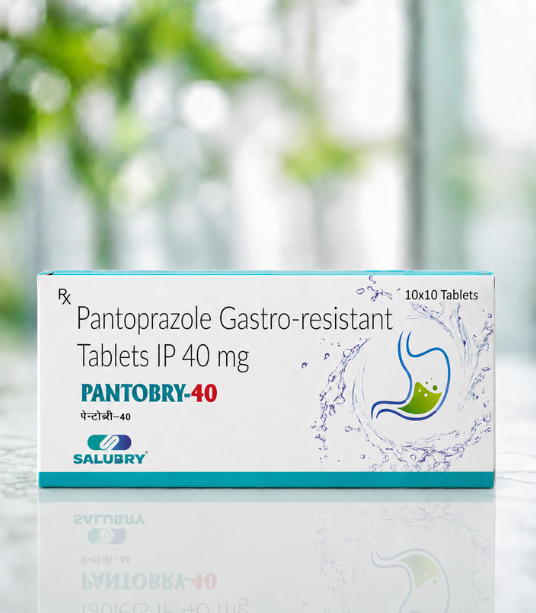
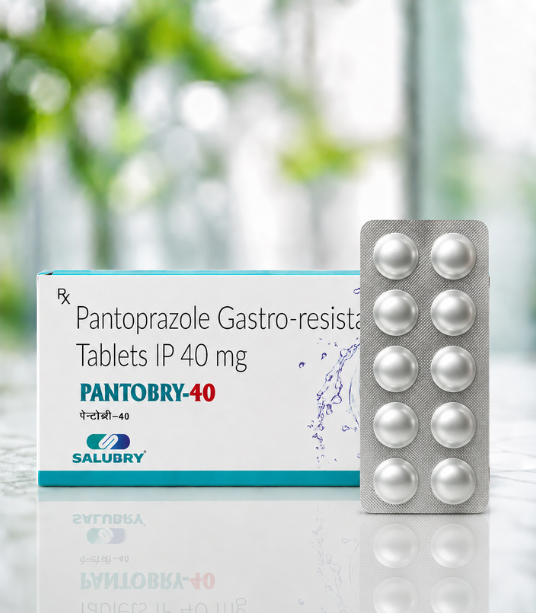
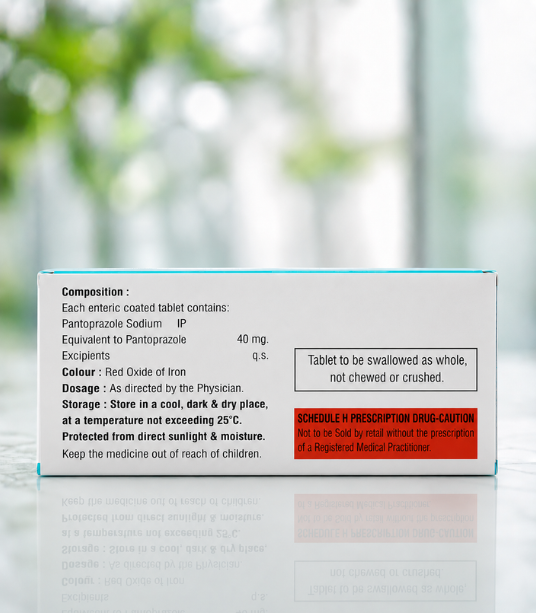
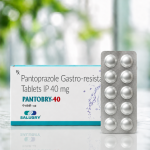
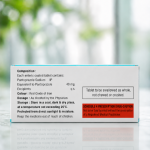

Pantobry 40
PANTOBRY 40 (Pantoprazole 40mg) is a high-potency Proton Pump Inhibitor (PPI) used to significantly reduce the amount of acid produced in the stomach. The 40mg strength is the standard therapeutic dose for the treatment of Erosive Esophagitis, GERD (Gastroesophageal Reflux Disease), and the healing of gastric ulcers.
It is often preferred in clinical settings because it has a lower potential for drug-to-drug interactions compared to other PPIs like Omeprazole.
1. Advanced Molecular Mechanism
Pantoprazole works through a highly targeted, “irreversible” chemical process within the stomach lining:
- The Target: It inhibits the $H^+/K^+$ ATPase enzyme system (commonly called the “Proton Pump”) located on the secretory surface of the gastric parietal cells.
- The Activation: Pantoprazole is a prodrug. It is stable at a neutral pH but becomes active only in a highly acidic environment. Once it reaches the parietal cells, it converts into its active form (a sulfenamide).
- Irreversible Binding: The active drug forms a strong, covalent bond with the proton pump, essentially “locking” it in the off position. Because the bond is covalent, the pump is permanently disabled.
- The Result: Acid production stops until the stomach cell can synthesize brand-new proton pumps, which takes approximately 24 to 48 hours.
2. Clinical Profile & Efficacy
- Healing Power: It is highly effective at allowing the esophagus to heal from acid damage (Erosive Esophagitis) with healing rates typically reaching 80% to 95% after 8 weeks of 40mg therapy.
- Zollinger-Ellison Syndrome: At 40mg (or higher), it is used to manage pathological hypersecretory conditions where the stomach produces extreme amounts of acid.
- The “Interaction” Advantage: Pantoprazole has a lower affinity for the CYP450 liver enzymes than other PPIs. This makes it a safer choice for patients taking other medications, such as Clopidogrel, which require those same enzymes to function.
3. Potential Side Effects
Generally, Pantoprazole 40mg is well-tolerated, but the following may occur:
- Common Issues: Headache, diarrhea, and abdominal pain.
- Nutrient Absorption: Long-term use (over a year) can make it harder for the body to absorb Vitamin B12, Magnesium, and Calcium, which may increase the risk of bone fractures in older adults.
- C. difficile Risk: By significantly lowering stomach acid (which usually kills bacteria), PPIs can slightly increase the risk of Clostridium difficile associated diarrhea.
- Rebound Acid: If stopped abruptly after long-term use, the stomach may temporarily produce more acid than usual.
4. Critical Precautions
- The “Masking” Effect: Relief of symptoms with Pantoprazole does not rule out the presence of gastric malignancy (stomach cancer). It can mask the symptoms, so persistent issues should be investigated.
- Lupus Risk: PPIs have been linked to rare cases of subacute cutaneous lupus erythematosus (SCLE).
- Kidney Health: Long-term use has been associated with a risk of acute interstitial nephritis (kidney inflammation).
5. Administration Guidelines
- Timing: For best results, take it 30 to 60 minutes before breakfast. Since the proton pumps are most active after a period of fasting, taking it before the first meal of the day ensures the drug is present when the pumps “turn on.”
- Integrity: The 40mg tablet is enteric-coated. Do not crush or chew it. If the coating is damaged, the stomach acid will destroy the medication before it can be absorbed.
- Consistent Use: It is intended for daily use rather than “as needed” for immediate heartburn relief. It usually takes 1 to 3 days to feel the full acid-blocking benefit.
Medical Disclaimer: This description is for educational purposes. Pantoprazole 40mg is a prescription-strength medication. Always follow the specific dosing schedule provided by your doctor and report any long-term digestive changes.