Login
Login


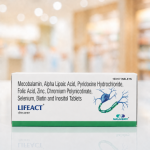
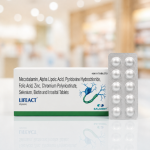

LifeAct
Life Act is a comprehensive neuroprotective, metabolic, and antioxidant formulation. It is primarily used to support nerve health (especially in diabetic neuropathy), boost cellular energy production, improve insulin sensitivity, and counter oxidative stress.
Here is a detailed breakdown of what each ingredient does and how they work together:
1. Nerve Health & Neuroprotection
This segment focuses heavily on regenerating nerve fibers, improving nerve conduction, and reducing the burning or tingling pain associated with neuropathy.
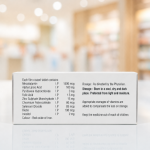
- Mecobalamin (MCB / Vitamin B12) — 1500 mcg: This is the active, coenzyme form of Vitamin B12. Unlike cyanocobalamin, it is highly retained by the liver and nervous tissues. It plays a critical role in synthesis of myelin (the protective sheath covering nerve fibers). It helps regenerate damaged nerves and is a first-line treatment for peripheral neuropathy.
- Pyridoxine Hydrochloride (Vitamin B6) — 3 mg: Essential for the synthesis of neurotransmitters (like serotonin, dopamine, and GABA) and sphingolipids, which make up the myelin sheath. It works synergistically with B12 and Folic Acid to lower homocysteine levels—an amino acid that, when elevated, can damage blood vessels and nerves.
- Folic Acid (Vitamin B9) — 1.5 mg: Necessary for DNA repair and cellular replication. Along with B6 and B12, it regulates homocysteine. Lowering homocysteine improves microvasculature, ensuring better blood and oxygen flow to peripheral nerves.
2. Advanced Antioxidants & Cellular Defense
Nerve damage and metabolic disorders are often driven by chronic oxidative stress. These ingredients neutralize harmful free radicals.
- Alpha Lipoic Acid (ALA) — 100 mg: A potent, universal antioxidant (both water- and fat-soluble). ALA is highly effective in relieving symptoms of diabetic neuropathy (pain, burning, numbness). It acts by increasing intracellular glutathione levels, clearing free radicals, and improving endoneurial blood flow.
- Selenium Dioxide — 65 mcg: A trace mineral that serves as a vital component of glutathione peroxidase, an enzyme that protects cell membranes from oxidative damage.
3. Insulin Sensitivity & Metabolic Support
Many neuropathies stem from poor blood sugar management. These components help cells utilize glucose more efficiently.
- Chromium Polynicotinate — 60 mcg: A highly bioavailable form of chromium bound to niacin (vitamin B3). It acts as a component of the Glucose Tolerance Factor (GTF), enhancing the action of insulin. By improving insulin sensitivity, it helps keep blood glucose levels stable, preventing further nerve damage from high blood sugar (glycation).
- Inositol — 2 mg: Often grouped with B-vitamins, inositol is crucial for cellular signaling. It plays a significant role in nerve conduction and helps regulate insulin pathways. It works closely with the nervous system to maintain nerve cell membrane integrity.
4. Immune Function & Tissue Repair
- Zinc — 15 mg: An essential trace mineral involved in over 300 enzymatic reactions. It is critical for cellular metabolism, immune function, DNA synthesis, and wound healing. It also exhibits antioxidant properties and helps protect cells from long-term metabolic stress.
- Biotin (Vitamin B7) — 100 mcg: Functions as a coenzyme for carboxylase enzymes involved in the metabolism of fatty acids, amino acids, and glucose. It works alongside chromium to enhance glucose metabolism in the liver and muscles.
Key Clinical Indications
This specific combination is typically prescribed for:
- Diabetic Peripheral Neuropathy: Managing numbness, tingling, and sharp pain in the hands and feet.
- Alcohol-Induced Neuropathy: Repairing nerve damage caused by chronic nutritional depletion.
- Sciatica or Neuralgia: Calming compressed or irritated nerve pathways.
- General Nutritional Deficiencies: Serving as a therapeutic supplement for individuals with compromised metabolic or absorption capabilities.