Login
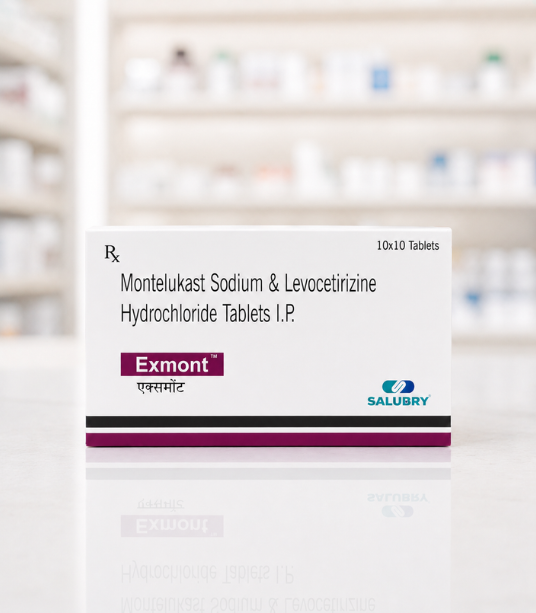
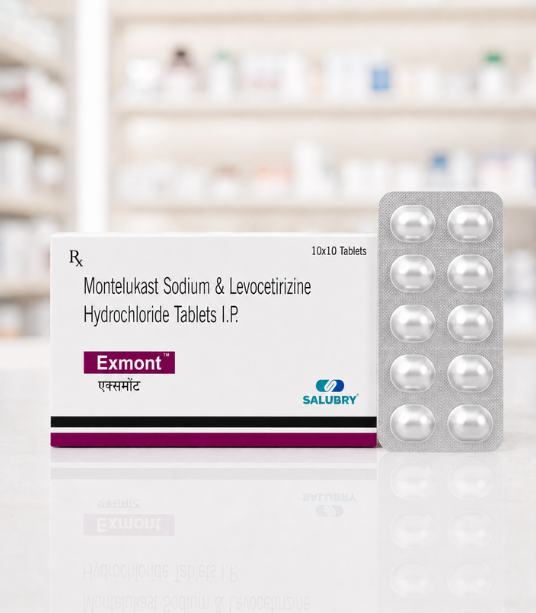
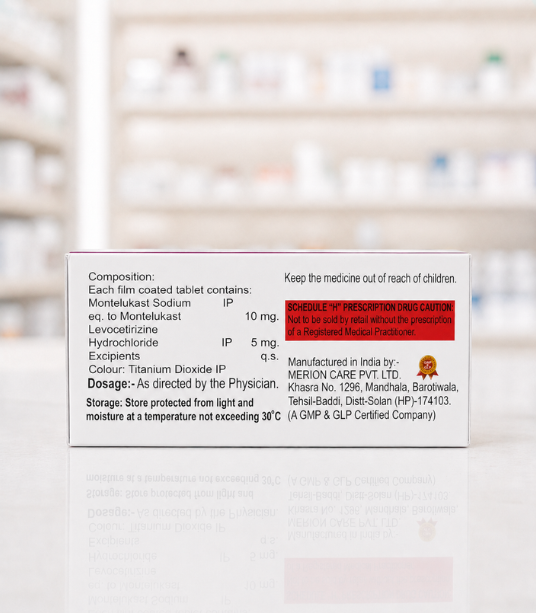
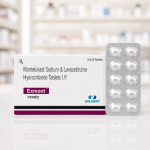
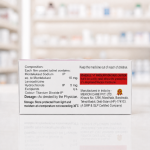

Exmont
The combination of EXMONT (Montelukast 10mg and Levocetirizine Hydrochloride 5mg) is a dual-mechanism therapy used to manage allergic rhinitis (hay fever) and comorbid asthma. This pairing is highly effective because it targets two distinct inflammatory pathways that contribute to congestion, sneezing, and airway constriction.
1. Dual-Pathrow Mechanism
This combination addresses the “Allergic Cascade” from two different biological angles:
Levocetirizine 5mg (The Antihistamine)
- Target: Peripheral $H_1$ receptors.
- Action: As a third-generation antihistamine (the active isomer of cetirizine), it blocks histamine—the chemical responsible for immediate allergic reactions.
- Result: Rapidly reduces sneezing, itchy/watery eyes, and a runny nose.
Montelukast 10mg (The Leukotriene Receptor Antagonist)
- Target: Cysteinyl leukotriene ($CysLT_1$) receptors.
- Action: It blocks leukotrienes, which are inflammatory chemicals the body releases after coming into contact with an allergen. Leukotrienes are much more potent than histamine at causing swelling in the nasal passages and constriction in the lungs.
- Result: Effectively treats nasal congestion (stuffiness) and prevents the narrowing of airways, making it easier to breathe.
2. Clinical Synergy: Why They Are Paired
While antihistamines are excellent for “itchy and runny” symptoms, they often struggle with “stuffiness.”
- The “Complete” Relief: Montelukast fills the gap left by antihistamines by reducing the physical swelling (edema) in the nasal lining.
- Night-time Efficacy: This combination is particularly effective for “nocturnal asthma” or allergies that worsen at night, helping patients sleep without respiratory distress.
- Asthma-Allergy Link: Many people with seasonal allergies also have sensitive airways. This duo treats both the upper respiratory tract (nose) and the lower respiratory tract (lungs) simultaneously.
3. Pharmacokinetics
| Feature | Montelukast 10mg | Levocetirizine 5mg |
|---|---|---|
| Peak Effect | 3 to 4 hours | ~1 hour |
| Half-Life | 2.7 to 5.5 hours | ~8 hours |
| Metabolism | Liver (CYP3A4, CYP2C8/9) | Minimal Liver metabolism |
| Excretion | Primarily bile/feces | Primarily kidneys |
4. Potential Side Effects
Most patients tolerate this combination well, but the following may occur:
- Drowsiness: Though Levocetirizine is “non-sedating,” some users still experience mild sleepiness.
- Dry Mouth & Fatigue: Common with antihistamine use.
- Headache: Reported by a small percentage of users.
- GI Upset: Occasional mild stomach pain or diarrhea.
5. Critical Precautions: The “Neuropsychiatric” Warning
The most important “deep” detail regarding this combination involves Montelukast:
- FDA Boxed Warning: Montelukast has a warning regarding serious neuropsychiatric events. While rare, some patients may experience agitation, aggression, vivid dreams, depression, or suicidal thoughts.
- Action: If any unusual changes in mood or behavior occur, the medication should be stopped immediately, and a doctor consulted.
Other Precautions:
- Kidney Function: Since Levocetirizine is cleared by the kidneys, patients with renal impairment require dose adjustments.
- Alcohol: Avoid alcohol as it can increase the sedative effects of the Levocetirizine component.
6. Administration Summary
- Timing: Usually taken once daily in the evening. Evening dosing is preferred because it helps combat the “morning surge” of allergy symptoms and accounts for any potential drowsiness.
- With or Without Food: Can be taken regardless of meals.
- Not for Rescue: This medication is for maintenance and prevention. It will not stop an acute asthma attack once it has started.
Medical Disclaimer: This description is for educational purposes. This combination is a potent respiratory therapy that requires a prescription. Always follow the specific instructions of your healthcare provider and report any mood changes or severe side effects immediately.