Login
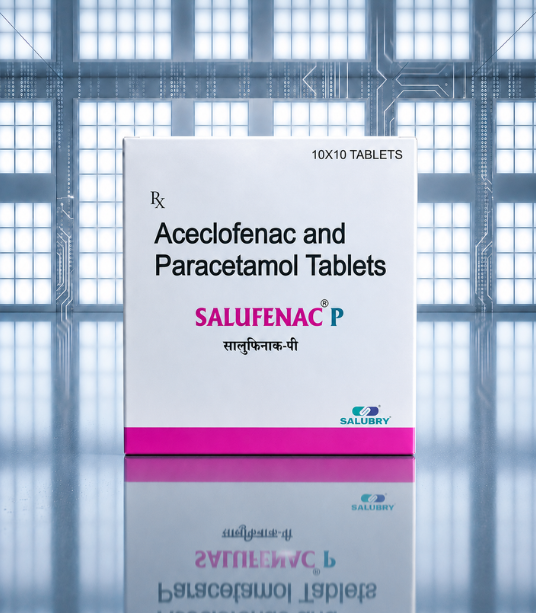
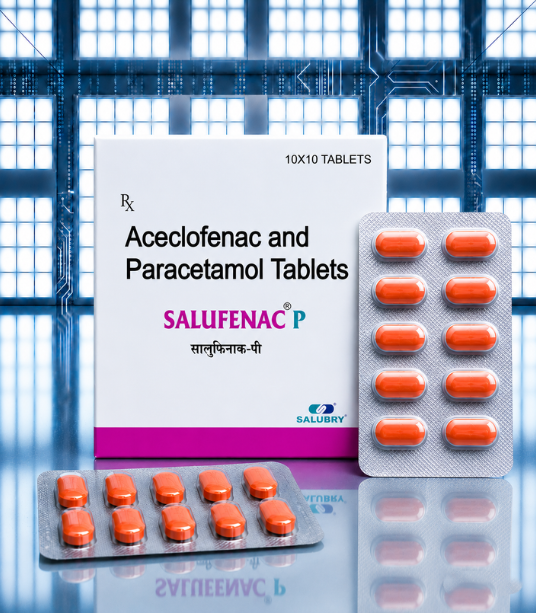
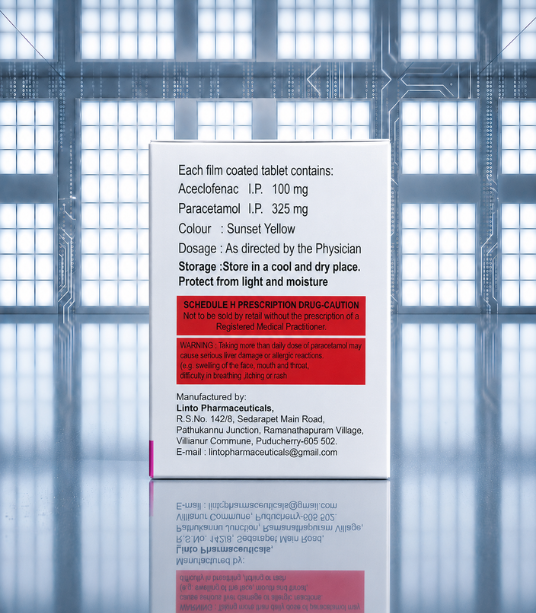
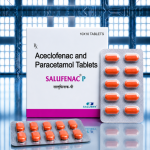
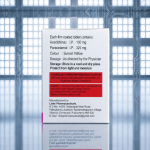

SALUFENAC P
SALUFENAC P (Aceclofenac 100mg + Paracetamol 325mg) is a potent fixed-dose combination (FDC) analgesic and anti-inflammatory therapy. It is specifically formulated to provide dual-action relief for acute and chronic painful inflammatory conditions, such as osteoarthritis, rheumatoid arthritis, ankylosing spondylitis, and severe muscular pain.
By combining a preferential COX-2 inhibitor with an antipyretic analgesic, this duo attacks pain through both peripheral and central pathways.
1. Dual-Mechanism Pharmacodynamics
This combination operates as a “double-strike” against pain and inflammation:
Aceclofenac 100mg (The Anti-Inflammatory)
- Class: Non-Steroidal Anti-Inflammatory Drug (NSAID) of the phenylacetic acid group.
- Mechanism: It works by inhibiting the enzyme cyclooxygenase (COX), which is responsible for the synthesis of prostaglandins—the chemicals that cause pain, swelling, and inflammation at the site of injury.
- Selectivity: Aceclofenac is “preferential” for COX-2, the enzyme primarily involved in inflammation, rather than COX-1 (which protects the stomach lining). This generally makes it better tolerated by the stomach than older NSAIDs like Diclofenac.
- Chondroprotection: Unique to Aceclofenac, some studies suggest it may stimulate the synthesis of cartilage components, which is beneficial for long-term joint health in arthritis patients.
Paracetamol 325mg (The Pain & Fever Reducer)
- Class: Aniline Analgesic and Antipyretic.
- Mechanism: While its exact mechanism is still debated, it is believed to act primarily on the central nervous system (CNS) by inhibiting prostaglandin synthesis in the brain and spinal cord.
- The 325mg Dose: This is a standard “safety-first” dose often used in combinations to provide effective pain relief while minimizing the risk of liver strain when paired with other medications.
2. Clinical Synergy
The synergy of these two components creates a “sparing effect”:
- Faster Onset: Paracetamol works quickly to dull the sensation of pain, while Aceclofenac takes slightly longer to address the underlying inflammation.
- Lower Side Effects: By combining them, a lower dose of each can be used to achieve the same pain-relief effect as a much higher, riskier dose of a single drug.
3. Pharmacokinetics
| Feature | Aceclofenac | Paracetamol |
|---|---|---|
| Absorption | Rapidly absorbed; food can delay the time to peak but not the amount absorbed. | Extremely rapid absorption from the GI tract. |
| Peak Plasma Time | 1.25 to 3 hours. | 0.5 to 2 hours. |
| Metabolism | Metabolized in the liver; its main metabolite is 4′-hydroxyaceclofenac. | Extensively metabolized in the liver. |
| Excretion | Primarily excreted via urine (approx. 70%). | Excreted via urine as glucuronide and sulfate conjugates. |
4. Potential Side Effects
While highly effective, the combination can cause specific reactions:
- Gastrointestinal: Dyspepsia (heartburn), abdominal pain, nausea, or diarrhea.
- Dermatological: Skin rashes or itching.
- Neurological: Dizziness or drowsiness.
- Liver/Kidney: In rare cases of prolonged use or high doses, elevations in liver enzymes or reduced kidney function can occur.
5. Critical Precautions
- The Alcohol Rule: Consumption of alcohol while taking this medication significantly increases the risk of liver toxicity (due to Paracetamol) and stomach bleeding (due to Aceclofenac).
- Asthma: Patients with “aspirin-sensitive asthma” should avoid this combination, as NSAIDs can trigger a severe bronchospasm.
- Heart & Kidney Health: Long-term use of NSAIDs like Aceclofenac is associated with an increased risk of cardiovascular events (heart attack/stroke) and should be used with caution in patients with high blood pressure or kidney disease.
- Pregnancy: Generally contraindicated in the last trimester of pregnancy as it may cause complications during delivery or affect the fetal heart.
6. Administration Summary
- Timing: Usually taken twice daily (morning and evening).
- Food: It is strongly recommended to take this medication with or after food. Taking it on an empty stomach increases the risk of gastric irritation.
- Integrity: Swallowed whole with a glass of water.
- Duration: Should be used at the lowest effective dose for the shortest possible time to minimize systemic risks.
Medical Disclaimer: This description is for educational purposes. Aceclofenac + Paracetamol is a potent combination. Always follow the specific instructions of your healthcare provider and never exceed the prescribed dose, as excessive Paracetamol can lead to severe liver damage.