Login
Login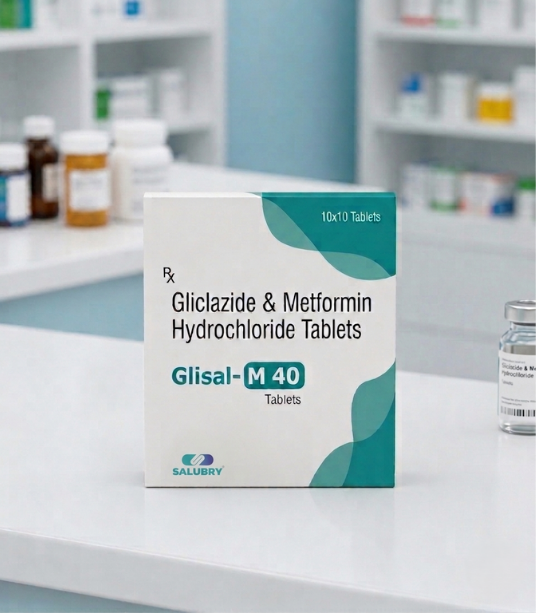
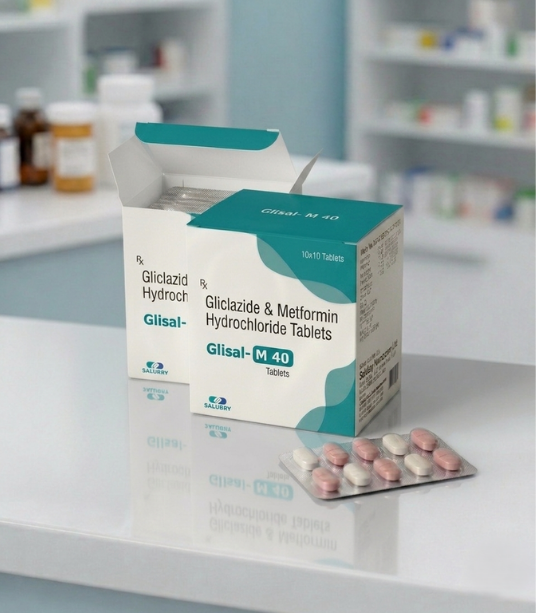
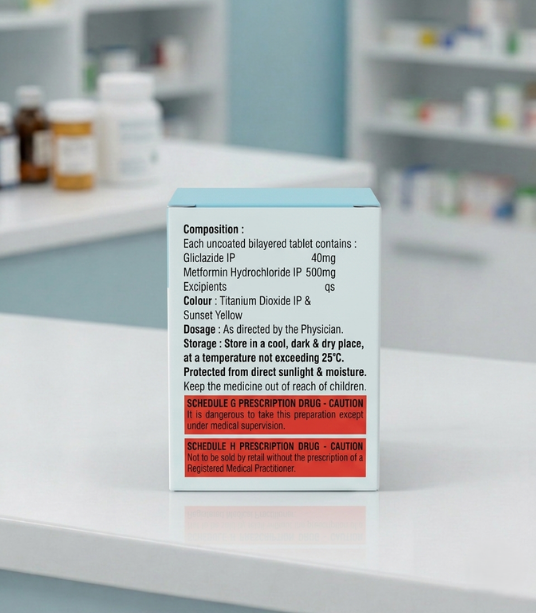

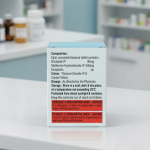

Glisal M40
GLISAL M 40 (Gliclazide 40 mg + Metformin 500 mg) is a fixed-dose combination oral antidiabetic medication. It is primarily prescribed to manage Type 2 Diabetes Mellitus (T2DM) in patients whose blood sugar levels are not adequately controlled by diet, exercise, or single-drug therapy (monotherapy).
This medication pairs two different classes of diabetes drugs—a sulfonylurea and a biguanide—to target the disease from multiple angles.
1. Mechanism of Action (How It Works)
Type 2 diabetes typically involves two main issues: the pancreas doesn’t produce enough insulin, and the body’s cells become resistant to the insulin that is produced. This pill tackles both problems simultaneously.
Gliclazide (40 mg) — The “Insulin Releaser”
- Class: Sulfonylurea.
- Action: It binds to specific potassium channels on the beta cells of the pancreas. This blocks the channels, which changes the electrical charge of the cell and triggers it to secrete more insulin into the bloodstream.
- Primary Benefit: It rapidly lowers both fasting and post-meal blood glucose spikes by ensuring more insulin is available to process sugars.
Metformin (500 mg) — The “Insulin Sensitizer”
- Class: Biguanide.
- Action: Metformin works primarily in the liver by inhibiting gluconeogenesis (the liver’s natural production of glucose). It also improves peripheral insulin sensitivity, meaning it helps muscle and fat cells respond better to insulin so they can absorb glucose from the blood more effectively. Additionally, it slightly delays the absorption of sugar from the intestines.
- Primary Benefit: It lowers fasting blood sugar, does not cause weight gain (it is often weight-neutral or promotes slight weight loss), and carries cardioprotective benefits.
2. The Synergistic Effect
Taking these two drugs together provides a “dual-action” approach:
- Gliclazide provides the supply of insulin.
- Metformin ensures the body uses that insulin efficiently while stopping the liver from dumping excess sugar into the blood.
- Because the drugs work together, doctors can prescribe lower doses of each (like 40 mg of Gliclazide instead of higher standalone doses), which minimizes the side effects specific to each drug.
3. Dosage and Administration
- Timing: It is almost universally recommended to take this medication with meals (often breakfast or dinner, depending on the doctor’s instructions). Taking it with food severely reduces the gastrointestinal side effects of Metformin and prevents the low blood sugar (hypoglycemia) that Gliclazide can cause on an empty stomach.
- Form: The tablets should be swallowed whole with a glass of water—not crushed or chewed.
- Routine: It must be paired with a consistent diet and regular exercise to be fully effective. Skipping meals while on this medication is dangerous.
5. Potential Side Effects
While highly effective, this combination can cause side effects.
Common Side Effects:
- Gastrointestinal Issues: Nausea, diarrhea, abdominal pain, flatulence, and a metallic taste in the mouth (mostly driven by Metformin). These usually subside after the body adjusts to the medication.
- Mild Weight Changes: Gliclazide can cause slight weight gain, though Metformin often offsets this.
- Headaches and Dizziness.
Serious Side Effects (Require Immediate Medical Attention):
- Hypoglycemia (Low Blood Sugar): Because Gliclazide forces the pancreas to release insulin regardless of current blood sugar levels, taking the pill and then skipping a meal, or exercising heavily without eating, can cause blood sugar to crash. Symptoms include shaking, sweating, intense hunger, confusion, and rapid heartbeat.
- Lactic Acidosis: A very rare but life-threatening complication associated with Metformin where lactic acid builds up in the bloodstream. Symptoms include severe muscle pain, extreme coldness in the limbs, trouble breathing, and profound weakness.
6. Important Warnings & Precautions
- Kidney Function: Metformin is cleared by the kidneys. If a patient has moderate to severe kidney impairment, this drug can build up to toxic levels, increasing the risk of lactic acidosis.
- Liver Disease: Patients with liver issues are generally advised against this medication, as the liver is crucial for clearing lactate and managing glucose.
- Pregnancy & Breastfeeding: This combination is generally contraindicated during pregnancy and breastfeeding; insulin therapy is typically preferred.
- Radiology Scans: If a patient needs an imaging procedure requiring injected iodinated contrast dye (like certain CT scans), they must temporarily stop taking this medication, as the dye combined with Metformin can cause acute kidney failure.
7. Drug Interactions
- Alcohol: Consuming alcohol increases the risk of severe hypoglycemia (from the Gliclazide) and lactic acidosis (from the Metformin).
- Beta-Blockers: These blood pressure medications can mask the warning signs of low blood sugar (like a racing heart), making it harder for a patient to realize they are experiencing a hypoglycemic episode.
- Corticosteroids & Diuretics: These can raise blood sugar, directly opposing the medication’s intended effect.