Login
Login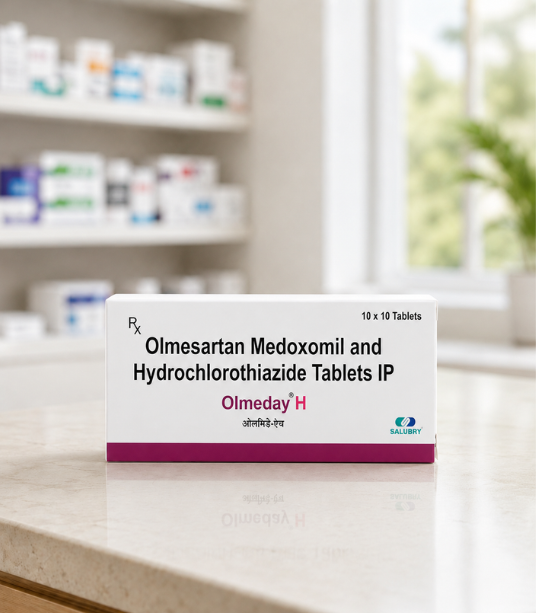
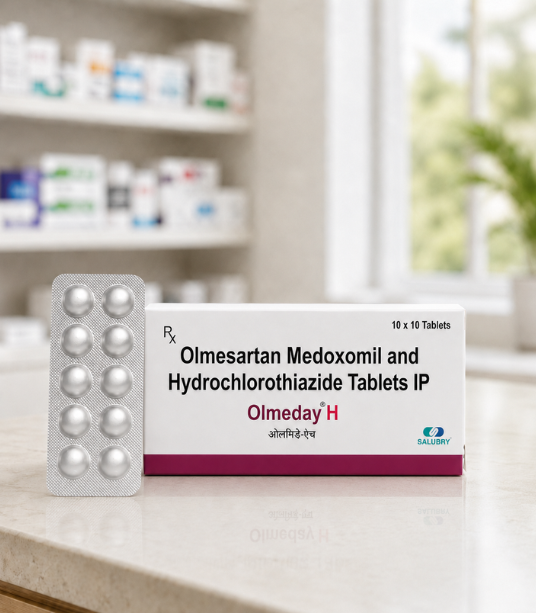
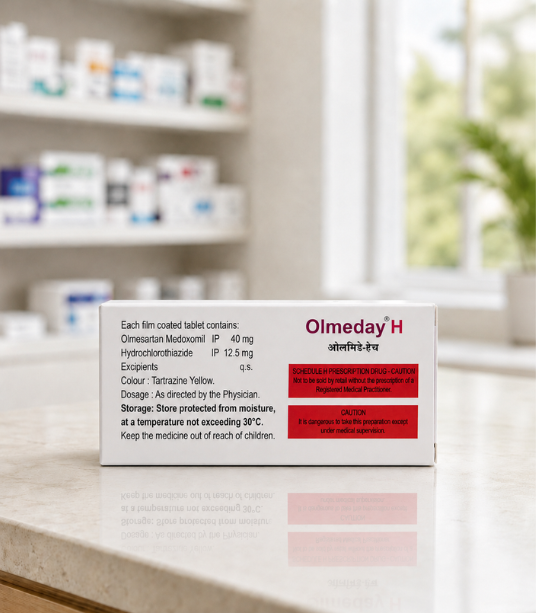
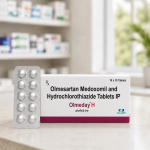
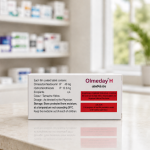

Olmeday H
The combination of OLMEDAY H (Olmesartan 40mg and Hydrochlorothiazide (HCTZ) 12.5mg) is a high-potency, dual-action antihypertensive therapy. It combines an Angiotensin II Receptor Blocker (ARB) with a Thiazide Diuretic.
This “fixed-dose combination” is typically used when a patient’s blood pressure cannot be sufficiently controlled by Olmesartan alone, even at its maximum strength of 40mg.
1. Dual-Action Mechanism
This medication attacks high blood pressure from two distinct physiological directions:
Olmesartan 40mg (The Vasodilator)
- Role: Blocks the $AT_1$ receptors, preventing Angiotensin II from tightening the blood vessels.
- Effect: It keeps the arteries relaxed and open, reducing the “resistance” the heart faces when pumping blood. At 40mg, it provides a near-total blockade of this hormonal pathway for 24 hours.
Hydrochlorothiazide 12.5mg (The Diuretic)
- Role: Acts on the kidneys to increase the excretion of sodium and water into the urine.
- Effect: It reduces the total volume of fluid circulating in your bloodstream. Less fluid in the “pipes” means less pressure against the walls of the blood vessels.
- Synergy: HCTZ can sometimes trigger the body’s “Renin” system as a side effect; Olmesartan perfectly counters this by blocking that very system, making the two drugs more effective together than they are apart.
2. Clinical Profile & Efficacy
- The “Add-On” Strategy: The 12.5mg of HCTZ is considered a low-to-moderate dose. It is often enough to provide the “extra push” needed to reach blood pressure targets without causing the severe electrolyte imbalances that higher diuretic doses might.
- Morning Surge Protection: Because Olmesartan stays attached to receptors for a long time, this combination is highly effective at preventing the dangerous blood pressure spikes that occur shortly after waking up.
- Edema Reduction: While Olmesartan helps relax vessels, HCTZ helps pull excess fluid out of the body, which can be helpful for patients prone to mild swelling.
3. Potential Side Effects
Combining a vasodilator with a diuretic increases the complexity of potential side effects:
- Electrolyte Imbalance: HCTZ can cause low potassium (hypokalemia) or low sodium, while Olmesartan can cause high potassium (hyperkalemia). Often, they balance each other out, but regular blood tests are necessary.
- Dizziness & Orthostatic Hypotension: Because the 40mg/12.5mg combination is quite potent, you may feel lightheaded when standing up quickly.
- Increased Urination: This is the intended effect of the HCTZ (the “water pill”), especially during the first few days.
- Uric Acid Spikes: HCTZ can occasionally increase uric acid levels, which may trigger gout in susceptible individuals.
- Photosensitivity: Thiazide diuretics like HCTZ can make your skin more sensitive to sunlight.
4. Critical Precautions
- Pregnancy (Black Box Warning): Like all ARBs, this combination must not be used during pregnancy, as it can cause severe injury or death to the fetus.
- Sulfa Allergy: Hydrochlorothiazide is a sulfonamide derivative. If you have a severe sulfa allergy, you must inform your doctor, as cross-reactivity is possible.
- Kidney & Liver Function: Because both drugs rely on these organs for clearance, regular monitoring of serum creatinine and liver enzymes is required.
- Dehydration: Using a diuretic while severely dehydrated (due to illness or intense heat) can lead to acute kidney stress.
5. Administration Guidelines
- Timing: Usually taken once daily in the morning. Taking it at night may result in interrupted sleep due to the need to urinate.
- Hydration: Maintain a consistent intake of water unless your doctor has specifically restricted your fluids.
- Avoid Salt Substitutes: Many salt substitutes are made of potassium chloride. Since Olmesartan can raise potassium, using these without medical advice can lead to dangerous levels (hyperkalemia).
Medical Disclaimer: This description is for educational purposes. This is a high-strength, multi-drug cardiovascular therapy. Always follow the specific dosing instructions provided by your healthcare provider and never stop the medication abruptly.