Login
Login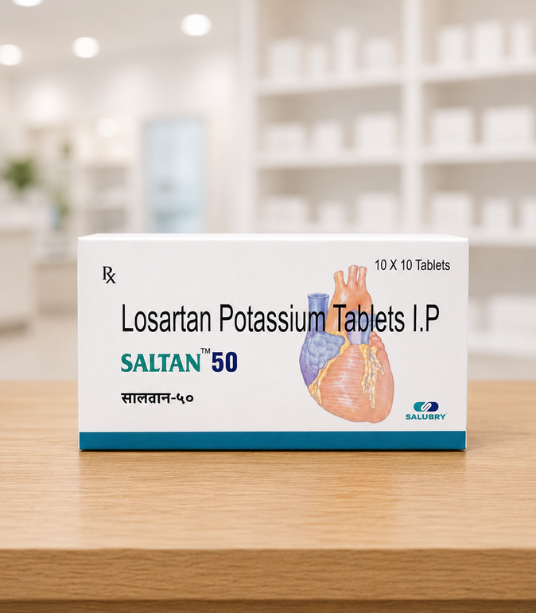
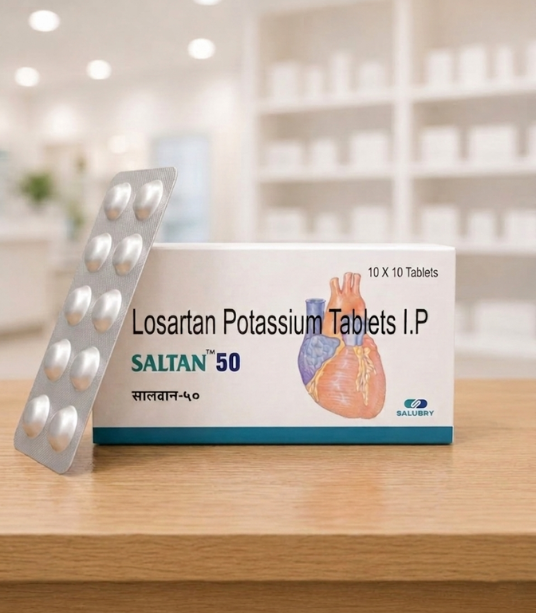
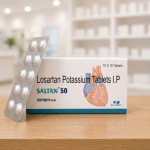
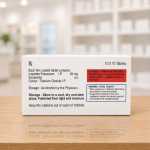

Saltan 50
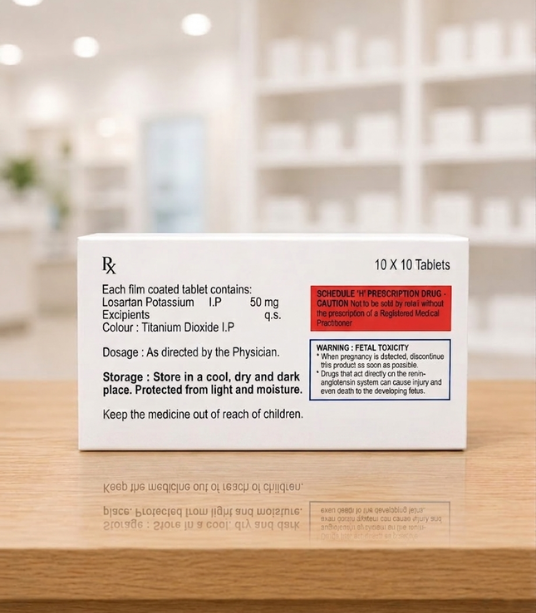
SALTAN 50 (Losartan Potassium 50mg ) is the standard therapeutic dose of the first-ever developed Angiotensin II Receptor Blocker (ARB). It is a cornerstone treatment for hypertension, specifically favored for its “clean” side-effect profile and its proven ability to protect the heart and kidneys from long-term damage.
At 50mg, the medication provides a robust hormonal blockade that is effective for the majority of adults with mild-to-moderate high blood pressure.
1. Molecular Mechanism of Action
Losartan is a “prodrug” that undergoes a sophisticated conversion in the body to achieve its effects:
- The Conversion: Once swallowed, the liver (via enzymes CYP2C9 and CYP3A4) converts Losartan into its active metabolite, known as EXP3174. This metabolite is roughly 10 to 40 times more potent than the original drug and is responsible for most of the blood-pressure-lowering effect.
- The AT1 Blockade: This active metabolite binds to the $AT_1$ receptors on blood vessels. By blocking these receptors, it prevents the hormone Angiotensin II from causing vasoconstriction (narrowing of the vessels).
- Aldosterone Inhibition: By blocking the $AT_1$ receptor, Losartan also reduces the secretion of aldosterone from the adrenal glands. This helps the kidneys excrete excess sodium and water, reducing the volume of blood the heart has to pump.
2. Clinical Indications
The 50mg dose is utilized for three primary clinical goals:
- Hypertension Management: It is the standard starting dose for most adults to bring blood pressure toward the target of <130/80 mmHg.
- Stroke Risk Reduction: Specifically in patients with hypertension and Left Ventricular Hypertrophy (thickening of the heart wall), Losartan has been shown to reduce the risk of stroke more effectively than some other classes of drugs.
- Diabetic Nephropathy: It is a gold-standard treatment for patients with Type 2 Diabetes and hypertension to protect the kidneys from damage (proteinuria).
3. Pharmacokinetics
| Feature | Clinical Data for 50mg |
|---|---|
| Peak Concentration | Losartan peaks in 1 hour; the active metabolite peaks in 3–4 hours. |
| Bioavailability | Approximately 33%. |
| Metabolism | High “first-pass” metabolism in the liver. |
| Half-Life | Losartan (2 hours); Active Metabolite (6–9 hours), providing 24-hour coverage.. |
| Elimination | Balanced excretion: 35% via urine and 60% via feces/bile. |
4. Potential Side Effects
Losartan is famous for being “well-tolerated,” meaning it often has no more side effects than a sugar pill (placebo) in clinical trials. However, some may experience:
- Dizziness or Lightheadedness: Particularly when moving from a lying down to a standing position.
- Upper Respiratory Infection: Occasionally reported as nasal congestion or sore throat.
- Hyperkalemia: A potential rise in blood potassium levels, which requires monitoring.
- Back Pain: A common but minor side effect noted in clinical studies.
- No Cough: Unlike ACE inhibitors (like Lisinopril), Losartan does not break down bradykinin, so it almost never causes a dry, persistent cough.
5. Critical Precautions
- Pregnancy (Black Box Warning): Losartan must be discontinued immediately if pregnancy is suspected. Exposure during the second and third trimesters can cause fetal kidney failure and skull deformities.
- Salt Substitutes: Most “low sodium” salts use Potassium Chloride. Using these while on Losartan 50mg can lead to dangerously high potassium levels (hyperkalemia).
- NSAID Interaction: Taking Ibuprofen, Naproxen, or high-dose Aspirin can reduce the blood-pressure-lowering effect of Losartan and increase the risk of acute kidney injury.
- Renal Artery Stenosis: In patients with narrowing of the arteries to the kidneys, Losartan can significantly decrease kidney function.
6. Administration Summary
- Timing: Taken once daily, with or without food.
- The “Full Effect”: While some blood pressure reduction happens in the first few days, it can take 3 to 6 weeks of consistent use to see the maximum benefit of the 50mg dose.
- Liver Health: Because the drug must be activated by the liver, patients with significant liver disease may require a lower starting dose (25mg) instead of the standard 50mg.
Medical Disclaimer: This description is for educational purposes. Losartan is a prescription medication that must be managed by a healthcare professional. Always consult your doctor before making changes to your cardiovascular therapy.