Login
Login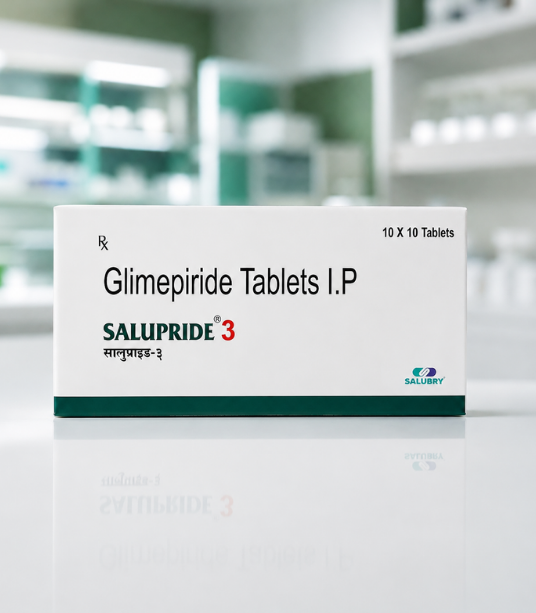
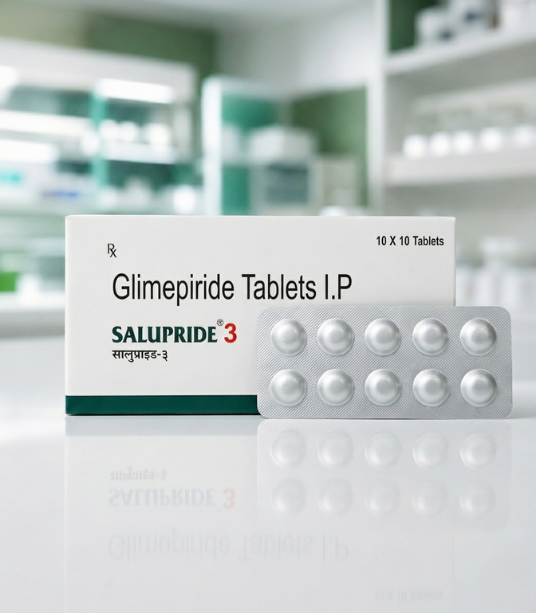
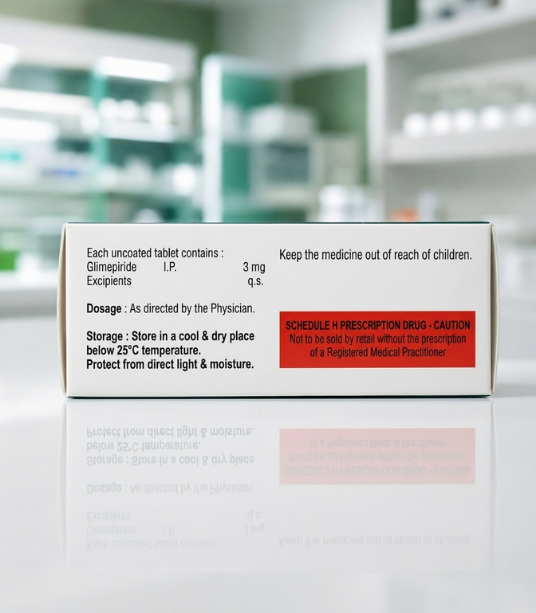
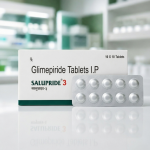
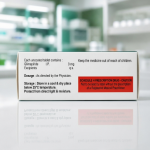

SALUPRIDE 3
SALUPRIDE 3 (Glimepiride 3mg) represents a potent therapeutic dose within the sulfonylurea class. While patients often start at 1mg or 2mg, the 3mg strength is typically prescribed when lower doses fail to keep fasting blood glucose or HbA1c levels within the target range.
1. Pharmacology & Molecular Dynamics
At the 3mg level, the drug exerts a significant influence on the electrical potential of pancreatic cells:
- $\beta$-Cell Stimulation: Glimepiride binds to the SUR1 receptor on the surface of pancreatic beta cells. This binding closes ATP-sensitive potassium ($K_{ATP}$) channels.
- The “Insulin Surge”: By closing these channels, the cell depolarizes, allowing calcium to rush in. This calcium influx forces the “phase 1” release of insulin—the rapid burst needed to handle glucose spikes.
- Binding Affinity: Glimepiride is unique because it binds and dissociates from its receptor more rapidly than older sulfonylureas (like Glyburide). This is why it is often called a “third-generation” sulfonylurea, as it carries a lower (though still present) risk of prolonged, severe hypoglycemia.
2. Dosing & Titration Logic
The 3mg dose is rarely a starting point. It is usually reached through a process called titration:
- The 1-2 Week Rule: Doctors typically wait 7 to 14 days after a 2mg dose to check blood sugar levels. If the “fasting plasma glucose” remains high, the dose is stepped up to 3mg.
- Max Dosage Context: Since the maximum recommended dose is usually 8mg per day, 3mg is considered a moderate-to-high maintenance dose.
- Single Daily Dose: Despite the higher strength, the half-life remains long enough that it is still taken only once a day.
3. Intensified Side Effects & Risks
As the dosage increases to 3mg, the body’s sensitivity to certain reactions may increase:
- Increased Hypoglycemia Risk: The 3mg dose triggers a more substantial insulin release. If a meal is missed or delayed, the risk of a “sugar crash” is significantly higher than at the 1mg or 2mg levels.
- Weight Gain: Because insulin helps the body store energy, higher stimulation of insulin can lead to more noticeable weight gain over time.
- Dilutional Hyponatremia: In rare cases, sulfonylureas can cause the body to retain water, slightly lowering sodium levels in the blood.
- Gastrointestinal Distress: Some patients report increased nausea or “heartburn” as the dosage increases.
4. Critical Warnings for 3mg Users
- Consistency is Key: At this strength, taking the medication at the exact same time every morning (with the first bite of breakfast) is vital to prevent blood sugar fluctuations.
- Exercise Cautiony: Intense physical activity can naturally lower blood sugar. When combined with a 3mg dose, patients must be extra vigilant about carrying a fast-acting glucose source (like glucose tabs or juice).
- The “Sulfa” Connection: Like lower doses, the 3mg tablet contains sulfonamide derivatives. Anyone with a severe sulfa allergy should be monitored closely for skin rashes or respiratory issues.
Medical Disclaimer: This description is intended for educational purposes and reflects clinical pharmacology. It is not a substitute for professional medical advice. Always follow the specific instructions provided by your prescribing physician.