Login
Login
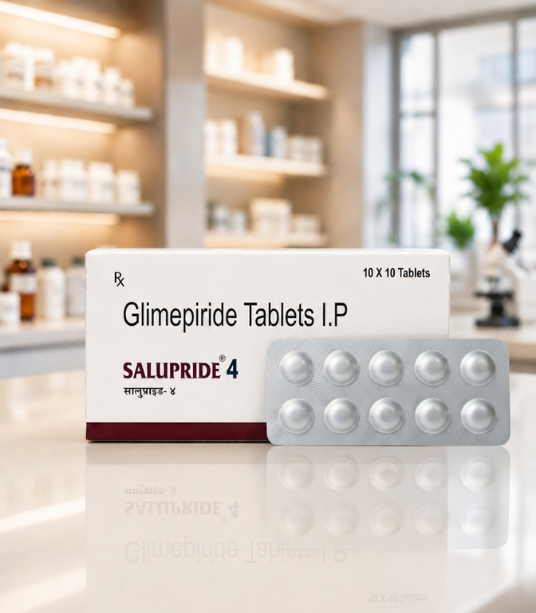
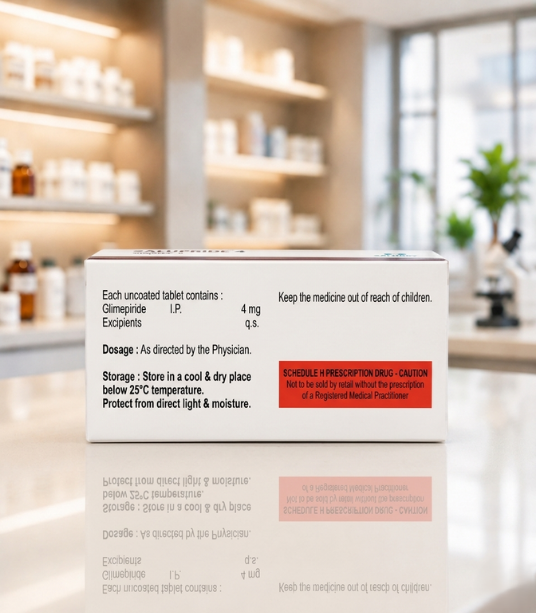


SALUPRIDE 4
SALUPRIDE 4 (Glimepiride 4mg) is a high-strength therapeutic dose of this third-generation sulfonylurea. In the progression of Type 2 Diabetes treatment, 4mg is often considered the “standard maximum” for many patients; while the absolute ceiling is 8mg, clinical studies show that the majority of glucose-lowering benefits are achieved at or by the 4mg threshold.
1. Advanced Pharmacodynamics
At the 4mg concentration, the drug’s interaction with the pancreas is robust. It operates through a dual-mechanism approach:
- Primary (Pancreatic) Effect: It binds with high affinity to the SUR1 receptors on pancreatic $\beta$-cells. This shuts down ATP-sensitive potassium channels, leading to a significant depolarization of the cell membrane. This results in a substantial release of insulin into the portal vein.
- Secondary (Peripheral) Effect: Glimepiride 4mg is noted for its “insulin-sparing” qualities compared to older sulfonylureas. It helps relocate glucose transporter proteins (GLUT4) to the surface of muscle and fat cells, slightly reducing the amount of insulin required to move sugar out of the bloodstream.
2. Clinical Efficacy & Titration
The 4mg dose is a significant step in a patient’s treatment plan:
- Titration Milestone: Most clinical protocols involve doubling the dose (1mg to 2mg, then 2mg to 4mg) every 1–2 weeks until glycemic control is reached.
- HbA1c Reduction: At 4mg, patients typically see a significant reduction in their HbA1c levels. If 4mg does not achieve the target, increasing to 6mg or 8mg often yields diminishing returns while sharply increasing side-effect risks.
- Fasting Glucose Control: This dose is particularly effective at controlling “fasting plasma glucose” (the sugar level upon waking up).
3. Intensified Side Effects & Precautions
With the increased potency of the 4mg dose, certain risks become more prominent:
- Severe Hypoglycemia: The risk is significantly higher than at lower doses. Patients must be educated on the “Rule of 15” (consuming 15g of fast-acting carbs and waiting 15 minutes) if they feel shaky, sweaty, or confused.
- Weight Management: Because 4mg stimulates a higher volume of insulin, patients may find it more difficult to prevent weight gain without strict caloric management.
- Liver Enzyme Monitoring: At higher doses, occasional monitoring of liver function (AST/ALT) is recommended, as the liver is the primary processing center for the drug.
- Secondary Failure: Over years of use, the 4mg dose may eventually become less effective as the pancreas’s $\beta$-cells naturally tire out (a process called “secondary failure”), eventually necessitating the addition of other meds like Metformin or Insulin.
4. Administration Guidelines
- The Breakfast Rule: It must be taken with the first main meal. Taking a 4mg dose on an empty stomach and then delaying food is the leading cause of emergency room visits for sulfonylurea-induced hypoglycemia.
- Drug-Drug Interactions: Caution is required when taking 4mg alongside “potentiators” like Fluconazole, Warfarin, or Salicylates, which can prevent the breakdown of Glimepiride and lead to dangerously low blood sugar.
- Sun Protection: Higher doses are more likely to cause photosensitivity. Using sunscreen and limiting direct UV exposure is advised.
Medical Disclaimer: This description is for technical and educational purposes. Glimepiride 4mg is a potent medication that requires careful medical supervision and regular blood glucose monitoring. Always consult your doctor before making any changes to your medication.