Login
Login
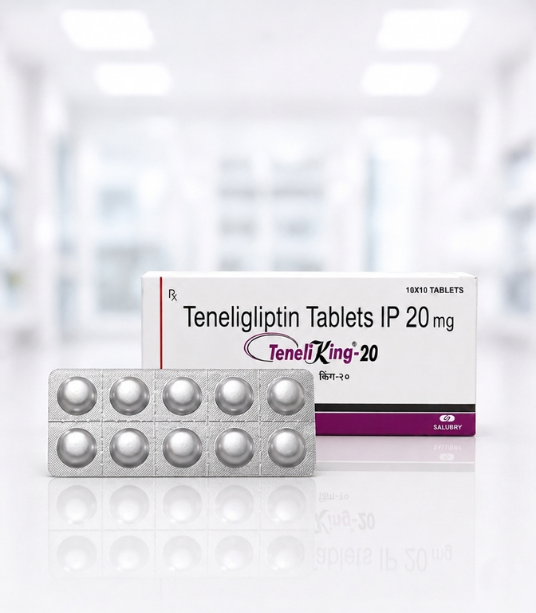
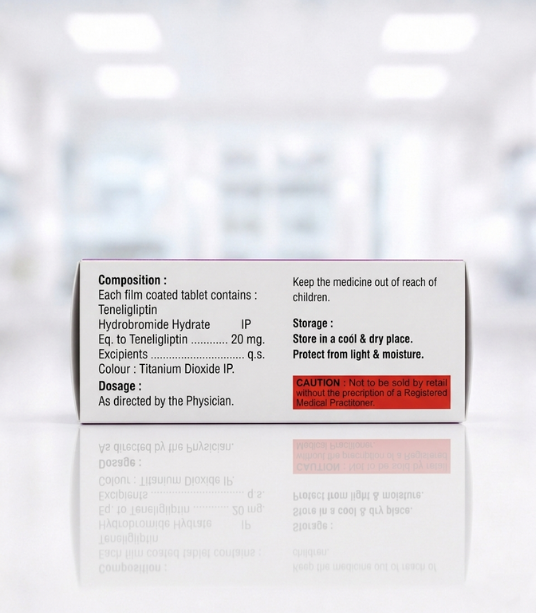



Teneliking 20
TENELIKING 20 (Teneligliptin 20mg) is an oral antidiabetic medication belonging to the DPP-4 inhibitor (Dipeptidyl Peptidase-4 inhibitor) class, often referred to as “gliptins.” It is used to manage blood glucose levels in adults with Type 2 Diabetes Mellitus.
Teneligliptin is often distinguished from other gliptins by its unique chemical structure and its ability to be used without dose adjustment in patients with kidney issues.
1. Mechanism of Action (The “Incretin” Effect)
Teneligliptin works by inhibiting the DPP-4 enzyme. To understand why this matters, you have to look at Incretin hormones (like GLP-1):
- Natural Process: When you eat, your body releases incretin hormones. These hormones tell the pancreas to release insulin and tell the liver to stop making sugar. However, the DPP-4 enzyme normally destroys these hormones very quickly.
- The Teneligliptin Action: By blocking that enzyme, Teneligliptin allows incretin hormones to stay active longer.
- Glucose-Dependent Response: One of the biggest advantages is that it primarily triggers insulin release only when blood sugar is high (after a meal). This significantly reduces the risk of accidental “sugar crashes” compared to drugs like Glimepiride.
2. Distinctive Features
- Unique Structure: It has a “J-shaped” or “anchor-locked” molecular structure that binds tightly to the DPP-4 enzyme, providing a potent and long-lasting effect (often supporting 24-hour control).
- Renal & Hepatic Safety: Unlike many other diabetes drugs, Teneligliptin is excreted through both the liver and kidneys. This means no dose adjustment is typically needed for patients with mild to severe renal impairment or mild to moderate liver impairment.
- Weight Neutrality: It generally does not cause weight gain, making it a favorable choice for patients concerned about their weight.
3. Administration & Dosage
- Standard Dose: 20mg once daily is the typical adult dose. If glucose control is insufficient, a doctor may increase this to 40mg.
- Timing: It is best taken at the same time every day, usually before breakfast.
- Monotherapy or Combo: It can be used alone or in combination with Metformin, Sulfonylureas, or Pioglitazone.
4. Potential Side Effects
Teneligliptin is generally well-tolerated, but some patients may experience:
| Common Side Effects | Rare but Serious |
|---|---|
| Headache | Pancreatitis: Severe, persistent abdominal pain. |
| Upper respiratory tract infections | QT Prolongation: A specific heart rhythm change. |
| Constipation or bloating | Severe Skin Reactions: Such as bullous pemphigoid. |
| Dizziness | Hypoglycemia (usually only if paired with insulin/sulfonylureas). |
5. Important Precautions
- Heart Health: Because it can potentially affect the “QT interval” (heart rhythm), it should be used with caution in patients with a history of arrhythmia or heart failure.
- Pancreatitis: If you have a history of pancreatitis, inform your doctor, as this class of drugs has been linked to rare cases of inflammation of the pancreas.
- Type 1 Diabetes: Teneligliptin is not for the treatment of Type 1 Diabetes or diabetic ketoacidosis.
6. Summary: Why 20mg?
The 20mg dose is the therapeutic “sweet spot” for most patients. It provides a significant reduction in HbA1c (usually by 0.8% to 0.9%) while maintaining a very high safety profile. It is particularly valued in clinical settings where cost-effectiveness and kidney-safety are high priorities.
Note: This description is for educational purposes. Always follow the specific medical advice and prescription provided by your healthcare professional.