Login
Login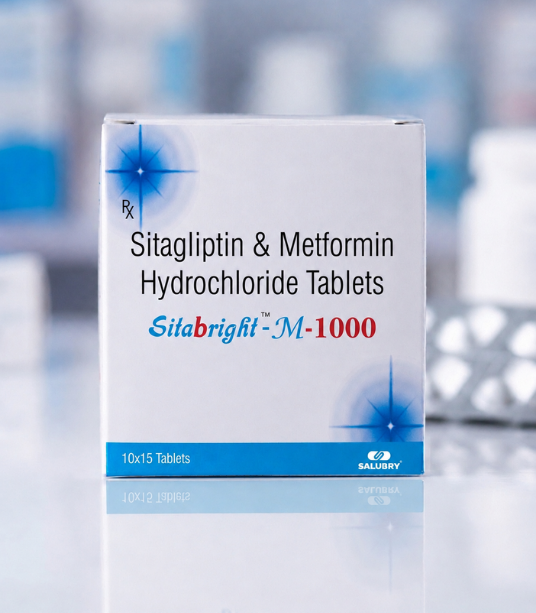
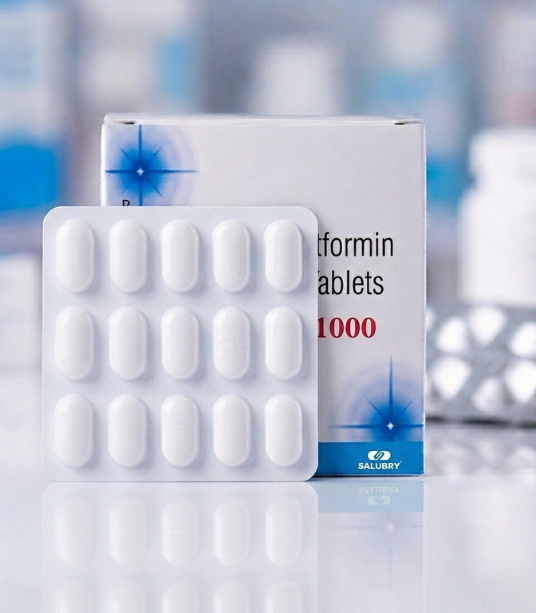
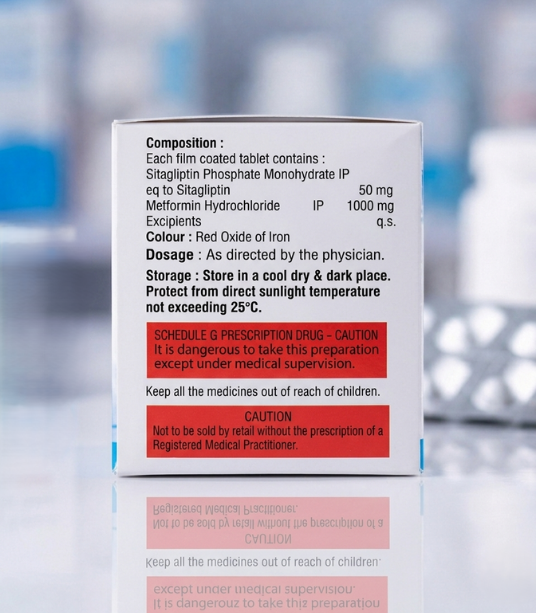
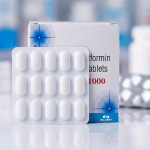
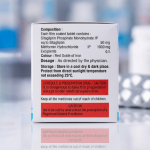

Sitabright M 1000
SITABRIGHT M 1000 (Sitagliptin 50 mg + Metformin 1000 mg ) is a potent fixed-dose combination (FDC) used to achieve intensive glycemic control in patients with Type 2 Diabetes Mellitus.
This specific strength is often used as a “maintenance dose” for patients who require a high level of Metformin to overcome significant insulin resistance but also need the “smart” insulin-releasing power of a DPP-4 inhibitor to manage mealtime sugar spikes.
1. Dual Mechanism: How It Works
This combination attacks diabetes from three different directions using two distinct drug classes:
Metformin (1000 mg) – The “Heavy Lifter”
- Target: Liver and Muscles.
- Action: At this high 1000 mg dose, Metformin acts as a powerful “off-switch” for the liver, stopping it from dumping excess sugar into the blood while you sleep or fast. It also significantly improves insulin sensitivity in your muscle tissues.
- Role: It provides the foundation for lowering your fasting blood glucose levels.
Sitagliptin (50 mg) – The “Precision Regulator”
- Target: Pancreas and Gut Hormones (Incretins).
- Action: It blocks the DPP-4 enzyme, which normally destroys your body’s natural “incretin” hormones. By keeping these hormones active, it tells the pancreas to release insulin only when you eat.
- Role: It focuses on lowering post-prandial (after-meal) sugar spikes.
2. Why This Specific Dose (50/1000)?
- Dose Consolidation: Many patients take this pill twice a day. This results in a total daily dose of 100 mg Sitagliptin (the standard maximum) and 2000 mg Metformin (the standard maximum effective dose).
- Convenience: Instead of taking three or four separate pills, this single tablet provides a high-intensity treatment in one dose.
- Weight Neutrality: This combination is excellent for patients who need strong sugar control but cannot afford the weight gain associated with insulin or sulfonylureas.
3. Administration and Timing
- Take with Food: This medication must be taken with a meal (usually breakfast and dinner).
- Why? Taking 1000 mg of Metformin on an empty stomach is very likely to cause nausea, stomach cramps, or diarrhea. Food acts as a buffer.
- Do Not Crush: If the tablet is a sustained-release (SR/ER) version, it must be swallowed whole. Breaking it causes a 1000 mg “dump” of Metformin into your stomach all at once.
4. Potential Side Effects
Because the Metformin dose is high (1000 mg), digestive side effects are more common than at lower doses:
- Gastrointestinal: Diarrhea, bloating, gas, and a metallic taste in the mouth. These usually fade after 2 weeks of consistent use.
- Respiratory: Sitagliptin can occasionally cause a stuffy nose, sore throat, or headache.
- B12 Deficiency: Long-term use of high-dose Metformin can interfere with Vitamin B12 absorption. Your doctor may suggest annual blood tests or supplements.
5. Serious Safety Warnings
- Lactic Acidosis: A very rare but life-threatening build-up of acid in the blood. The risk is slightly higher at the 1000 mg dose if the patient has underlying kidney issues or drinks alcohol excessively.
- Pancreatitis: Sitagliptin has been linked to rare cases of pancreas inflammation. Seek immediate help for severe abdominal pain that radiates to the back and is accompanied by vomiting.
- Kidney Function: Because both drugs are cleared by the kidneys, your doctor will check your eGFR regularly. If your kidney function drops, the 1000 mg Metformin component may become unsafe.
6. Important Precautions
- Alcohol: Avoid heavy drinking. Alcohol combined with high-dose Metformin increases the risk of both lactic acidosis and severe low blood sugar.
- Imaging Scans: If you are having a CT scan with “iodinated contrast dye,” you must stop this medication for 48 hours to protect your kidneys from temporary stress.
- Hypoglycemia: While rare when used alone, if you take this with Gliclazide or Insulin, your risk of a “sugar crash” increases significantly.