Login
Login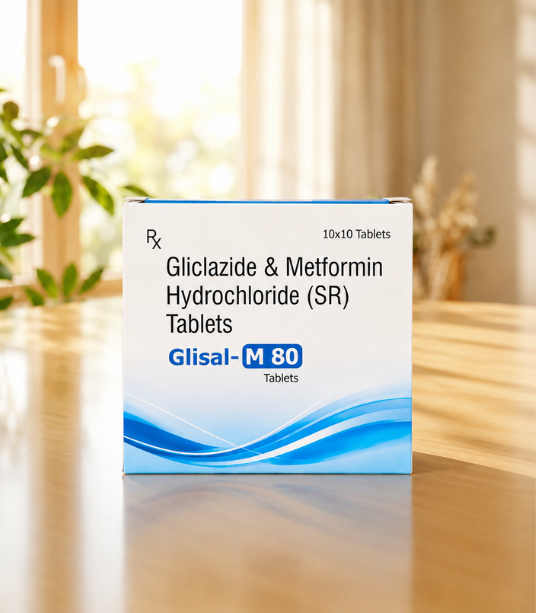
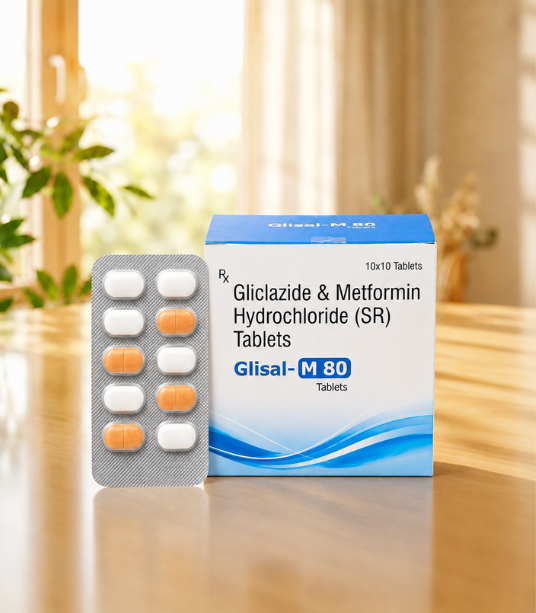
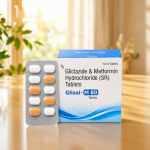
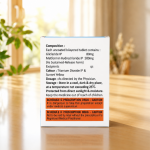

Glisal M80
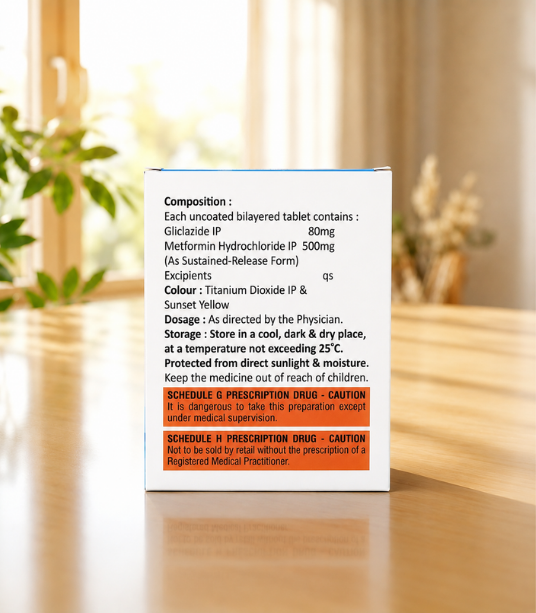
GLISAL M80 (Gliclazide 80 mg + Metformin 500 mg (SR)) is an advanced fixed-dose oral antidiabetic medication used to manage Type 2 Diabetes Mellitus (T2DM). It is prescribed when diet, exercise, and lower-dose medications are no longer sufficient to keep blood sugar levels in a safe range.
There are two key distinctions in this specific formulation compared to lighter doses:
- Double the Gliclazide: It contains 80 mg of Gliclazide (compared to the entry-level 40 mg), providing a much stronger push to the pancreas to produce insulin.
- Sustained Release (SR): The Metformin component is formulated to release slowly into the body over several hours, rather than all at once.
1. Mechanism of Action (How It Works)
This pill tackles the two primary defects of Type 2 diabetes simultaneously: lack of insulin and cellular resistance to insulin.
Gliclazide (80 mg) — The “Strong Insulin Releaser”
- Class: Sulfonylurea.
- Action: It stimulates the beta cells in the pancreas to secrete more insulin. It does this by binding to specific channels on the cell walls, altering their electrical state, and forcing the release of insulin reserves into the bloodstream.
- Impact: Because 80 mg is a robust dose, it is highly effective at bringing down high blood sugar quickly, particularly the spikes that occur right after eating.
Metformin (500 mg SR) — The “Steady Insulin Sensitizer”
- Class: Biguanide (Sustained Release)
- Action: Metformin stops the liver from inappropriately dumping stored glucose into the blood and helps muscle and fat cells become more sensitive to the insulin your pancreas is making.
- The “SR” Advantage: Regular Metformin dissolves immediately, which can cause sudden stomach upset. The Sustained Release (SR) matrix acts like a slow-drip system. It provides a steady, consistent baseline of blood-sugar control throughout the day and night while drastically reducing gastrointestinal side effects.
2. Dosage and Administration
Because of the SR formulation and the higher dose of Gliclazide, the rules for taking this medication are specific:
- Swallow Whole: The tablet must never be crushed, chewed, or split. Breaking the pill destroys the “Sustained Release” mechanism, causing all 500 mg of Metformin to flood the system at once, which can cause severe stomach cramps and diarrhea.
- Timing: It is typically prescribed to be taken once daily with a meal (very often the evening meal) or sometimes twice daily, strictly as directed by a physician. Taking it with food ensures the Gliclazide has incoming sugar to work on, preventing dangerous blood sugar drops.
- The “Ghost Pill”: Patients taking SR medications sometimes notice what looks like a whole pill in their stool. This is completely normal; it is just the empty, insoluble shell of the pill passing through after the active medication has been slowly absorbed by the body.
3. Potential Side Effects
Common Side Effects:
- Mild Gastrointestinal Upset: Nausea or a metallic taste can occur, though the SR formulation makes issues like diarrhea and stomach pain much less common than with standard Metformin.
- Weight Changes: The 80 mg dose of Gliclazide carries a higher risk of slight weight gain, though Metformin helps to minimize this.
Serious Side Effects (Require Immediate Medical Attention):
- Hypoglycemia (Low Blood Sugar): With 80 mg of Gliclazide, the risk of a blood sugar “crash” is significantly higher if a patient skips a meal, eats less than usual, or exercises intensely without adjusting their food intake. Symptoms include sudden sweating, tremors, dizziness, intense hunger, confusion, and a racing heart.
- Lactic Acidosis: A very rare but dangerous condition where lactic acid builds up in the blood. The risk increases if the patient becomes severely dehydrated, drinks heavy amounts of alcohol, or has failing kidneys.
4. Important Warnings & Precautions
- Strict Meal Routine: Because of the potent 80 mg Gliclazide dose, eating meals at consistent times with consistent carbohydrate amounts is crucial to avoid hypoglycemia.
- Kidney and Liver Health: Both organs must be functioning reasonably well. The liver is needed to clear lactate, and the kidneys are needed to filter out the Metformin.
- Surgical Procedures & Radiology: If a patient is scheduled for surgery under general anesthesia or an imaging scan requiring iodinated contrast dye (like a CT scan), they must inform their doctor, as this medication usually needs to be paused temporarily to protect the kidneys.
5. Drug Interactions
- Alcohol: Highly dangerous with this specific combination. It drastically increases the risk of severe, prolonged hypoglycemia (blocking the liver from producing emergency sugar) and increases the risk of lactic acidosis.
- Beta-Blockers (e.g., Metoprolol, Atenolol): These heart/blood pressure medications can suppress the physical warning signs of low blood sugar, such as a racing heartbeat, making a hypoglycemic crash harder to detect.
- Other Blood Sugar Lowering Agents: Taking this with other diabetes medications or insulin requires careful medical supervision to avoid bottoming out blood sugar levels.