Login
Login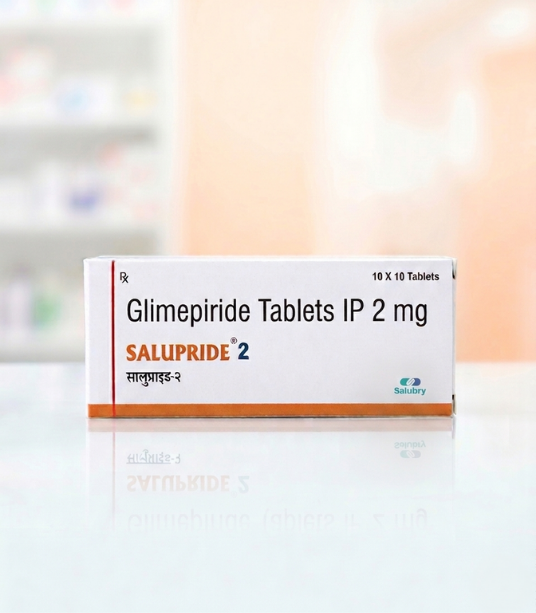

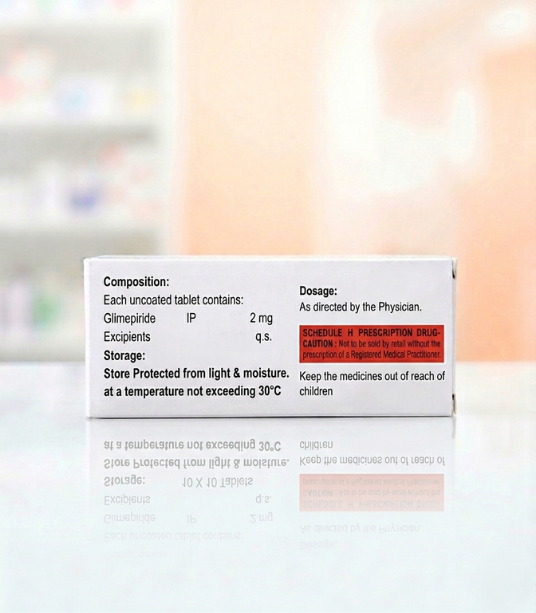


SALUPRIDE 2
SALUPRIDE 2 (Glimepiride 2mg) is an intermediate-strength oral hypoglycemic agent in the sulfonylurea family. While the 1mg dose is the standard “on-ramp” for treatment, the 2mg dose is often the primary therapeutic level for many patients with Type 2 Diabetes to achieve their target HbA1c levels.
1. Advanced Mechanism of Action
Glimepiride acts as an insulin secretagogue. Its chemical interaction is highly specific:
- ATP-Sensitive $K^+$ Channels: The drug binds to a 65 kDa protein subunit on the pancreatic $\beta$-cells. This closes the potassium channels, leading to cell depolarization.
- Insulin Burst: This depolarization opens voltage-gated calcium channels. The resulting influx of calcium triggers the “exocytosis” (release) of insulin granules into the bloodstream.
- The 2mg Distinction: At this dosage, the stimulation of the pancreas is more pronounced than at 1mg, requiring the body to have a functional “pancreatic reserve” (enough working beta cells to respond to the stimulus).
2. Pharmacokinetics (The 2mg Cycle)
Understanding how the body handles this specific strength is key to timing meals:
- Absorption: It is nearly 100% bioavailable after oral intake.
- Protein Binding: It is highly bound to plasma proteins (>99.5%), which means it can interact with other highly protein-bound drugs like aspirin or warfarin.
- Peak Plasma Concentration ($T_{max}$): For a 2mg dose, the drug reaches its highest concentration in the blood approximately 2 to 3 hours after ingestion.
- Metabolism: It is oxidized by the liver (CYP2C9) into two main metabolites which are then excreted via urine (60%) and feces (40%).
3. Side Effects & Management
At the 2mg level, side effects may become more noticeable if the body is sensitive to the medication:
- Hypoglycemia: This remains the primary concern. Symptoms include “cold sweats,” intense hunger, and palpitations.
- Skin Reactions: Rare cases of “photosensitivity” (skin becoming extra sensitive to sunlight) have been reported.
- Weight Changes: Because insulin is an anabolic hormone, increased insulin secretion can sometimes lead to modest weight gain.
- Hematologic Issues: Very rarely, it can affect blood counts (leukopenia or anemia), though this is usually reversible upon stopping the drug.
4. Critical Guidelines for Use
- The “First Bite” Rule: To synchronize the peak of the drug with the rise of blood sugar from food, it is best taken immediately before or during the first main meal of the day.
- Dose Titration: If 2mg does not sufficiently lower blood sugar after 1–2 weeks, a physician may increase the dose, usually in 1mg or 2mg increments, up to a maximum of 8mg per day.
- Stress & Illness: During periods of high stress, infection, or surgery, the effectiveness of a 2mg dose may decrease, requiring temporary supplemental insulin.
Medical Disclaimer: This provides a technical overview of Glimepiride 2mg. Do not adjust your dosage or start this medication without a formal prescription and guidance from a qualified medical professional.