Login
Login
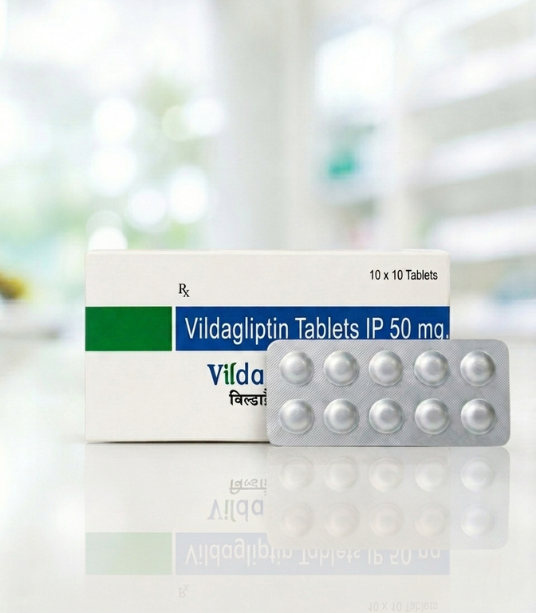


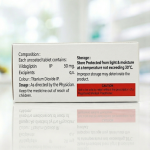

Vildabry 50
VILDABRY 50 ( Vildagliptin 50mg )is a potent, reversible, and highly selective DPP-4 inhibitor (Dipeptidyl Peptidase-4 inhibitor). It is an oral antihyperglycemic agent designed to improve glycemic control in patients with Type 2 Diabetes by enhancing the body’s natural response to meals.
Unlike some other drugs in its class, Vildagliptin is unique because of its twice-daily dosing schedule in many clinical settings, which provides stable enzyme inhibition throughout the day and night.
1. Mechanism of Action: The “Smart” Insulin Trigger
Vildagliptin works by protecting the Incretin hormones—specifically GLP-1 (Glucagon-like peptide-1) and GIP (Glucose-dependent insulinotropic polypeptide).
- The Enzyme Block: Normally, the DPP-4 enzyme breaks down these incretin hormones within minutes. Vildagliptin binds to and inhibits this enzyme.
- Increased Hormone Levels: By blocking the “clean-up” enzyme, incretin levels stay high in the blood.
- Glucose-Mediated Response: High incretin levels signal the pancreas to:
- Increases insulin when blood sugar is high (after meals).
- Decrease Glucagon (a hormone that tells the liver to make sugar) when blood sugar is high.
- The Safety Valve: Because this mechanism is “glucose-dependent,” it stops working when blood sugar levels return to normal, which makes the risk of low blood sugar (hypoglycemia) very low when used alone.
2. Pharmacokinetics & Dosing
The 50mg strength is the standard unit of treatment, but the frequency depends on the overall treatment plan:
- Dosing Frequency: * 50mg once daily: Often used when combined with a Sulfonylurea (like Glimepiride).
- 50mg twice daily (100mg total): Often used when taken alone or with Metformin or Pioglitazone.
- Absorption: It is rapidly absorbed, and food does not significantly affect how much of the drug gets into your system.
- Metabolism: Unlike many other gliptins that are cleared unchanged, Vildagliptin is primarily metabolized by hydrolysis in various tissues, with the kidneys being the main exit route for the metabolites.
3. Potential Side Effects
Vildagliptin is generally well-tolerated, with a low incidence of weight gain or edema.
- Common: Dizziness, headache, and mild digestive upset (nausea).
- Skin: Very rarely, it can cause skin lesions or blisters (bullous pemphigoid).
- Infection Risk: Slight increase in the risk of upper respiratory tract infections or nasopharyngitis.
- Serious (Rare): Inflammation of the pancreas (Pancreatitis) or liver dysfunction.
4. Critical Precautions & Monitoring
- Liver Function Tests (LFTs): This is a key requirement for Vildagliptin. Doctors usually test liver enzymes before starting treatment and then every 3 months for the first year, as rare cases of hepatic dysfunction have been reported.
- Renal Impairment: In patients with moderate to severe kidney disease, the dose is usually capped at 50mg once daily.
- Heart Failure: It should be used with caution in patients with NYHA functional class III heart failure (and is generally not recommended for class IV).
5. Administration Summary
- When to Take: If prescribed 50mg twice daily, take one in the morning and one in the evening.
- With or Without Food: It can be taken regardless of meal timing, though taking it with food may reduce any minor stomach upset.
- Missed Dose: Take it as soon as you remember, but do not “double up” doses if it is almost time for your next one.
Medical Disclaimer: This description is for educational purposes only. Vildagliptin is a prescription-only medication. Always consult your healthcare provider regarding the appropriate dose and monitoring for your specific health profile.