Login
Login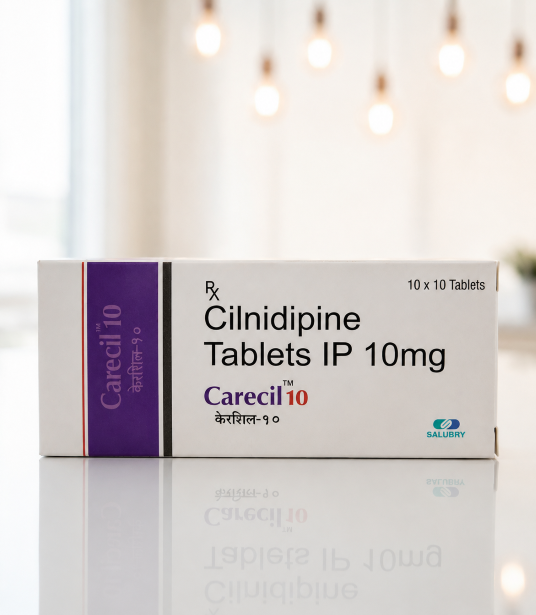
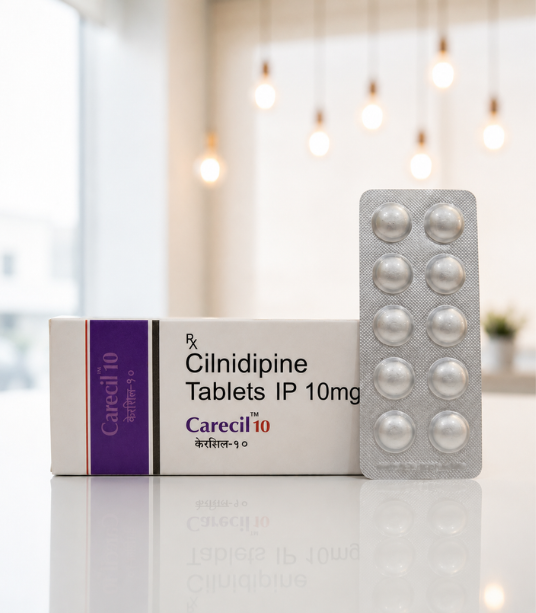


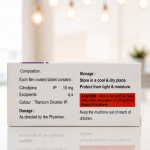

Carecil 10
CARECIL 10 (Cilnidipine 10mg ) is a unique, “dual-acting” Calcium Channel Blocker (CCB) used primarily to treat hypertension (high blood pressure). While many blood pressure medications in this class (like Amlodipine) focus solely on one type of calcium channel, Cilnidipine is distinguished by its ability to block two distinct pathways.
1. Dual Mechanism of Action
Cilnidipine is a fourth-generation CCB. Its “deep” clinical value comes from its dual blockade of L-type and N-type calcium channels:
- L-type Channel Blockade: This is the standard action. It relaxes the smooth muscles in the walls of the blood vessels (arteries), causing them to widen (vasodilation). This reduces the pressure the heart must pump against.
- N-type Channel Blockade: This is the “unique” feature. These channels are located at the ends of sympathetic nerves. By blocking them, Cilnidipine inhibits the release of norepinephrine (noradrenaline). This prevents the “fight or flight” response from over-stimulating the heart and blood vessels.
2. Clinical Advantages
Because of its dual-action profile, Cilnidipine 10mg offers several benefits that older blood pressure medications may lack:
- Lower Risk of Pedal Edema: Traditional CCBs (like Amlodipine) often cause swelling in the ankles (pedal edema) because they dilate arteries but not veins. Because Cilnidipine also affects the sympathetic nerves, it helps dilate both, allowing fluid to circulate better and reducing swelling.
- Heart Rate Stability: Many blood pressure drugs can cause a “reflex tachycardia” (a rapid heartbeat) as the body tries to compensate for lower pressure. Cilnidipine’s N-type blockade keeps the heart rate stable.
- Kidney Protection (Renoprotection): By reducing pressure in the small vessels of the kidneys, it can help reduce the amount of protein leaked into the urine (proteinuria), which is beneficial for hypertensive patients with kidney concerns.
3. Pharmacokinetics & Dosing
- The 10mg Strength: This is the most common starting or maintenance dose for mild to moderate hypertension.
- Absorption: It is absorbed through the GI tract, but it is highly “lipophilic” (fat-loving), meaning it distributes well into the tissues where it is needed.
- Metabolism: It is heavily processed by the liver via the CYP3A4 enzyme system.
- Timing: Usually taken once daily, preferably after breakfast.
4. Potential Side Effects
Cilnidipine is generally better tolerated than earlier CCBs, but some patients may experience:
5. Critical Precautions
- Liver Health: Since it is metabolized by the liver, patients with significant hepatic impairment may need a lower dose or closer monitoring.
- Grapefruit Juice: You should avoid grapefruit juice while taking Cilnidipine, as it can block the enzymes that break the drug down, leading to dangerously high levels of the medication in your blood.
- Pregnancy/Nursing: It is generally not recommended during pregnancy or breastfeeding unless specifically directed by a specialist.
- Hypotension: Like all blood pressure meds, the first few doses might make you feel dizzy when standing up quickly (orthostatic hypotension).
6. Summary: The “Smooth” Blood Pressure Controller
Cilnidipine 10mg is often favored by physicians for patients who are prone to ankle swelling or who have high “sympathetic activity” (people whose blood pressure spikes during stress). It provides a “smooth” reduction in pressure without the jarring effect on heart rate seen in older medications.
Medical Disclaimer: This description is for educational purposes. Cilnidipine is a potent cardiovascular medication and should only be taken as directed by a licensed physician. Regular blood pressure monitoring is essential during treatment.