Login
Login


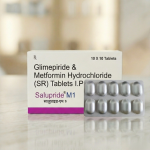
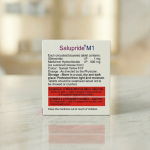

SALUPRIDE M1
The combination of SALUPRIDE M1 (Glimepiride 1mg and Metformin 500mg) is a dual-action oral hypoglycemic therapy. This specific pairing is often the first step in “combination therapy” for Type 2 Diabetes, utilized when Metformin alone is no longer sufficient to maintain healthy blood glucose levels.
By combining these two drugs, doctors can attack diabetes from two different physiological angles simultaneously.
1. The Dual-Action Mechanism
This combination is highly effective because the two drugs do not “overlap” in how they work; instead, they complement each other.
A. Metformin 500mg (The Sensitizer)
- Liver Action: Its primary job is to stop the liver from making “extra” glucose (gluconeogenesis).
- Muscle Action: It increases insulin sensitivity, helping your muscles absorb and use glucose more efficiently.
- Intestinal Action: It slightly slows down the absorption of sugar from the food you eat.
- Key Benefit: Metformin does not typically cause hypoglycemia (low blood sugar) because it doesn’t force the pancreas to make more insulin.
B. Glimepiride 1mg (The Secretagogue)
- Pancreatic Action: It acts as a “trigger” for the pancreas. It binds to the $\beta$-cells and forces them to secrete more insulin.
- Key Benefit: It provides the “extra push” needed to handle blood sugar levels that remain high despite the liver-regulating effects of Metformin.
2. Why This Specific Ratio?
The 1mg / 500mg ratio is frequently the “entry-level” combination dose.
- Metformin 500mg is a low-to-moderate dose designed to minimize gastrointestinal upset (a common side effect of Metformin).
- Glimepiride 1mg is the lowest possible dose of the sulfonylurea component, which keeps the risk of sudden “sugar crashes” as low as possible while still providing clinical benefits.
3. Potential Side Effects
Combining two medications means monitoring for two sets of potential side effects:
- Digestive Issues (Metformin-related): Bloating, gas, diarrhea, or a metallic taste in the mouth. These often fade after the first few weeks.
- Hypoglycemia (Glimepiride-related): Because Glimepiride forces insulin release, you may experience shakiness, sweating, or dizziness if you skip a meal.
- Vitamin B12 Deficiency: Long-term use of Metformin can sometimes interfere with B12 absorption.
4. Critical Guidelines for Use
- The “First Bite” Rule: This combination tablet should be taken immediately before or with your first main meal (usually breakfast). Taking it on an empty stomach is highly discouraged.
- Kidney Health: Because Metformin is cleared entirely by the kidneys, your doctor will likely perform a blood test (CrCl or eGFR) once or twice a year to ensure your kidneys are filtering correctly.
- Hydration: Staying well-hydrated is important when taking Metformin to reduce the (very rare) risk of a condition called lactic acidosis.
5. Summary of Benefits
By using this combination, patients often achieve better HbA1c reduction than they would by simply doubling the dose of a single medication. It effectively manages both fasting blood sugar (via Glimepiride and Metformin’s liver action) and post-meal spikes (via Glimepiride’s insulin boost).
Medical Disclaimer: This information is for educational purposes. This combination medication requires a prescription and regular monitoring by a healthcare provider to ensure safety and efficacy