Login
Login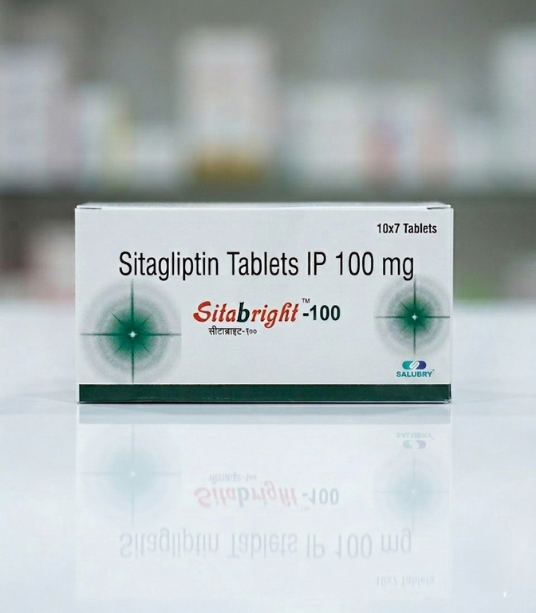
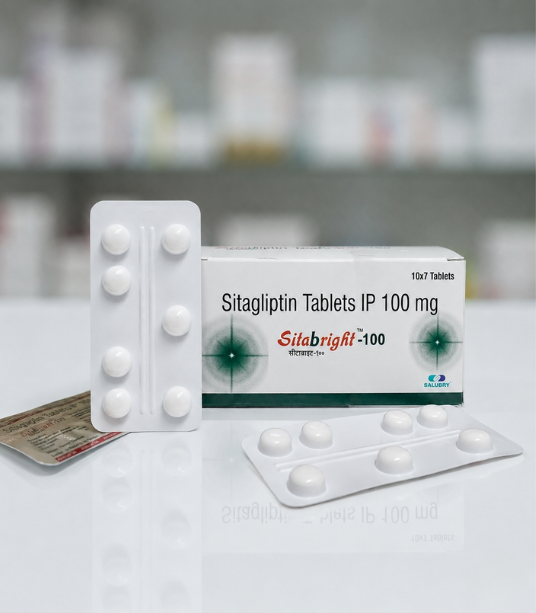
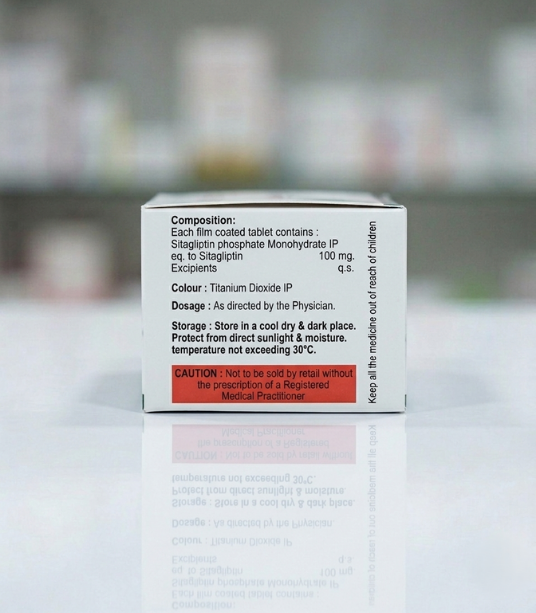
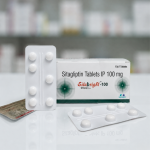
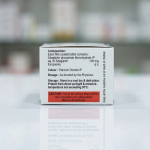

Sitabright 100
SITABRIGHT 100 (Sitagliptin 100 mg ) is a potent, highly selective oral antidiabetic medication used to manage Type 2 Diabetes Mellitus. It is the standard full therapeutic dose for adults with normal kidney function and belongs to the class of drugs known as DPP-4 inhibitors (Dipeptidyl Peptidase-4 inhibitors).
Commonly referred to as a “smart” diabetes drug, Sitagliptin is unique because its activity is glucose-dependent, meaning it primarily works when your blood sugar is high and remains relatively inactive when your blood sugar is normal.
1. Mechanism of Action: The Incretin Enhancer
Sitagliptin works by protecting the body’s natural ability to regulate blood sugar. It targets a system called the Incretin Pathway:
- The Incretin Hormones: When you eat, your gut releases hormones (GLP-1 and GIP). These hormones tell your pancreas to release insulin and tell your liver to stop making sugar.
- The DPP-4 “Enemy”: In a typical body, an enzyme called DPP-4 breaks down these helpful hormones within minutes.
- The Blockade: Sitagliptin 100 mg inhibits the DPP-4 enzyme.
- The Result: By blocking the enzyme, Sitagliptin allows your natural incretin hormones to stay active much longer. This ensures that insulin is released in response to meals and that the liver doesn’t dump excess sugar into your blood during the day or night.
2. Why the 100 mg Dose?
The 100 mg strength is the maximum recommended daily dose for a standard adult.
- Full Potency: At 100 mg, the drug inhibits more than 80% of the DPP-4 enzyme over a 24-hour period.
- Efficiency: This dose provides the most significant reduction in HbA1c (3-month average blood sugar) without increasing the risk of side effects compared to lower doses.
- Kidney Requirement: This dose is only suitable for patients with normal kidney function (eGFR > 45). If kidney function declines, the dose is typically reduced to 50 mg or 25 mg.
3. Key Clinical Advantages
- Weight Neutrality: Sitagliptin does not cause weight gain, making it an excellent choice for patients struggling with obesity or weight management.
- Extremely Low Hypoglycemia Risk: Because the drug only triggers insulin release when there is sugar present (from a meal), it almost never causes “sugar crashes” (hypoglycemia) when used alone.
- Cardiovascular Safety: Large-scale clinical trials have shown Sitagliptin to be safe for the heart, with no increased risk of major adverse cardiovascular events.
4. Administration Guidelines
- Once Daily: It is taken exactly once a day.
- Flexibility: It can be taken with or without food. Its absorption is not affected by meal timing.
- Simplicity: Unlike many other diabetes meds, you don’t have to “time” it with your largest meal. You just need to take it at the same time every day to maintain a steady state.
5. Potential Side Effects
Sitagliptin 100 mg is generally very well-tolerated, but some patients may experience:
- Respiratory Issues: Nasopharyngitis (cold-like symptoms), sore throat, or a stuffy nose.
- Headaches: Mild to moderate headaches can occur during the first few weeks.
- Joint Pain: A rare but recognized side effect is severe, persistent joint pain. If this occurs, patients should consult their doctor immediately.
6. Serious Warning: Pancreatitis
A rare but serious condition called acute pancreatitis has been linked to DPP-4 inhibitors.
- Warning Signs: Persistent, severe abdominal pain that may radiate to the back, often with vomiting.
- Action: If these symptoms appear, stop the medication immediately and seek emergency medical care.
7. Important Precautions
- Kidney Monitoring: Because the drug is cleared by the kidneys, regular blood tests (Creatinine/eGFR) are mandatory to ensure the 100 mg dose is still appropriate for you.
- Allergic Reactions: Seek help for any signs of a serious skin reaction or swelling of the face, lips, or throat (angioedema).
- Combination Use: If you take Sitagliptin 100 mg along with a sulfonylurea (like Gliclazide) or Insulin, the risk of low blood sugar increases. Your doctor may need to lower your dose of those other medications.