Login
Login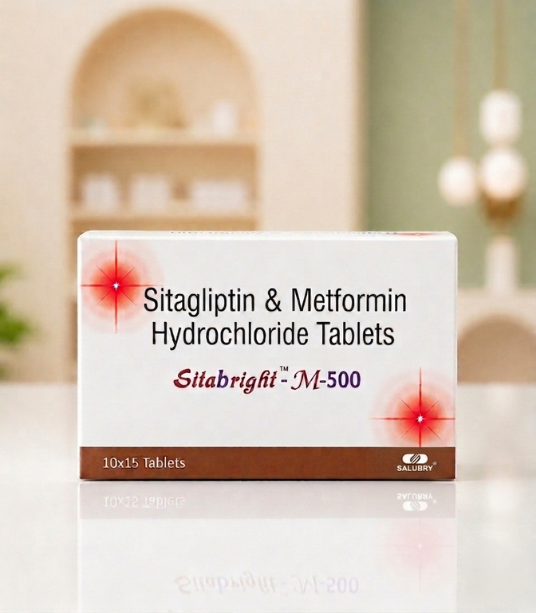
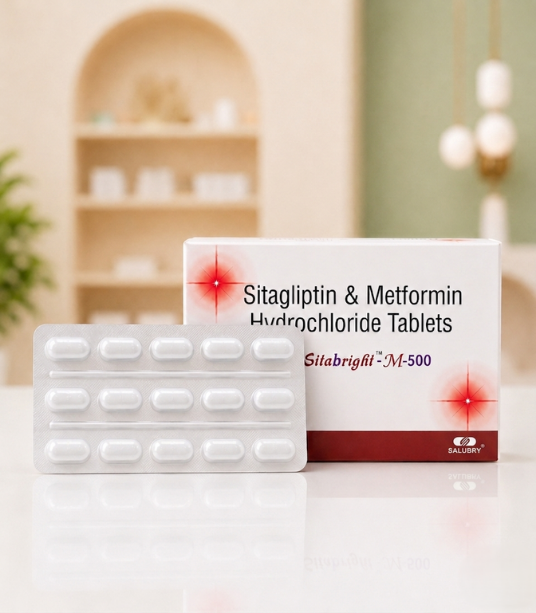
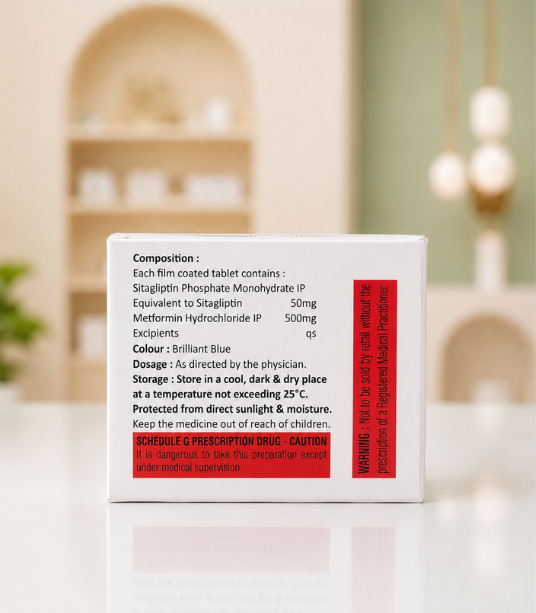
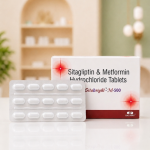
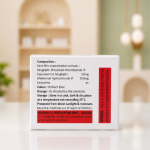

Sitabright M 500
SITABRIGHT M 500 (Sitagliptin 50 mg + Metformin 500 mg) is a powerful fixed-dose combination (FDC) medication used to treat Type 2 Diabetes Mellitus. It combines two different classes of drugs—a DPP-4 inhibitor and a Biguanide—to target blood sugar control from multiple physiological directions.
This combination is often prescribed when Metformin alone is no longer enough, or as an early intervention to reach blood sugar targets quickly and safely.
1. Dual Mechanism of Action (How It Works)
This pill addresses three major defects in Type 2 diabetes:
Metformin (500 mg) – The “Foundation”
- Target: Liver and Muscles.
- Action: It primarily stops the liver from producing too much glucose (sugar) and helps your muscles become more sensitive to insulin.
- Benefit: It lowers your “baseline” or fasting blood sugar levels throughout the day and night.
Sitagliptin (50 mg) – The “Smart Booster”
- Target: Pancreas and Hormonal System.
- Action: It prevents the breakdown of natural hormones called Incretins (like GLP-1). These hormones tell your pancreas to release insulin only when blood sugar is high (after a meal) and signal the liver to stop making sugar.
- Benefit: It specifically targets “post-prandial” spikes (the sugar surge after eating) without forcing the pancreas to work when it doesn’t need to.
2. Why These Two Together?
The synergy between Sitagliptin and Metformin is highly regarded by doctors for several reasons:
- Complementary Effects: Metformin handles the liver’s overproduction, while Sitagliptin optimizes the body’s response to food.
- Weight Neutrality: Unlike many other diabetes medications (such as sulfonylureas or insulin), this combination generally does not cause weight gain.
- Low Hypoglycemia Risk: Because Sitagliptin is “glucose-dependent” and Metformin doesn’t force insulin production, the risk of your blood sugar dropping dangerously low is very small when taking this combination alone.
3. Administration and Timing
- Take with Food: This medication should almost always be taken twice daily with meals (usually breakfast and dinner).
- Why with food? While Sitagliptin doesn’t require food to work, Metformin can be very harsh on an empty stomach. Taking the combo with a meal significantly reduces the risk of nausea and stomach upset.
- Consistency: Try to take it at the same times every day to keep the level of medication in your blood steady.
4. Potential Side Effects
Most side effects are related to the digestive system and usually improve as your body adjusts:
- Gastrointestinal: Diarrhea, nausea, gas, or stomach discomfort (mostly due to the Metformin component)..
- Respiratory: Cold-like symptoms such as a stuffy nose, sore throat, or headache (occasionally linked to Sitagliptin).
- Metallic Taste: A temporary, strange taste in the mouth is a known side effect of Metformin.
5. Serious Warnings
- Pancreatitis: In rare cases, Sitagliptin has been linked to inflammation of the pancreas. Seek medical help if you experience severe, persistent abdominal pain that radiates to your back.
- Lactic Acidosis: A very rare but life-threatening build-up of acid in the blood associated with Metformin. This risk is higher in people with severe kidney disease or those who drink excessive alcohol.
- Kidney Function: Because both drugs are processed through the kidneys, your doctor will monitor your kidney health (eGFR) regularly. If kidney function declines, the dose or medication may need to be changed.
6. Important Precautions
- Alcohol: Avoid heavy drinking, as it increases the risk of lactic acidosis and can cause unpredictable blood sugar fluctuations.
- Vitamin B12: Long-term use of Metformin can lower Vitamin B12 levels. It is a good idea to have your levels checked periodically.
- Imaging/Scans: If you need a CT scan with “contrast dye,” you must inform your doctor. You will usually need to pause this medication for 48 hours to protect your kidneys.